Civil Engineering
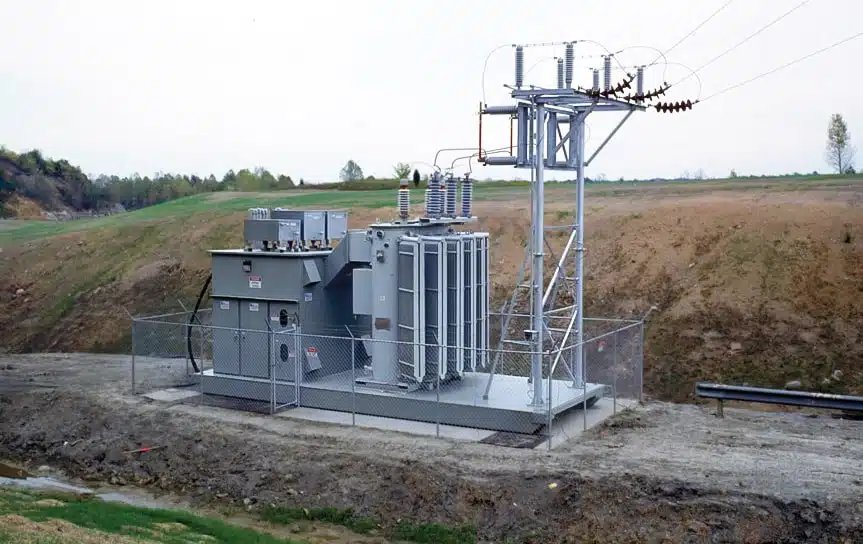
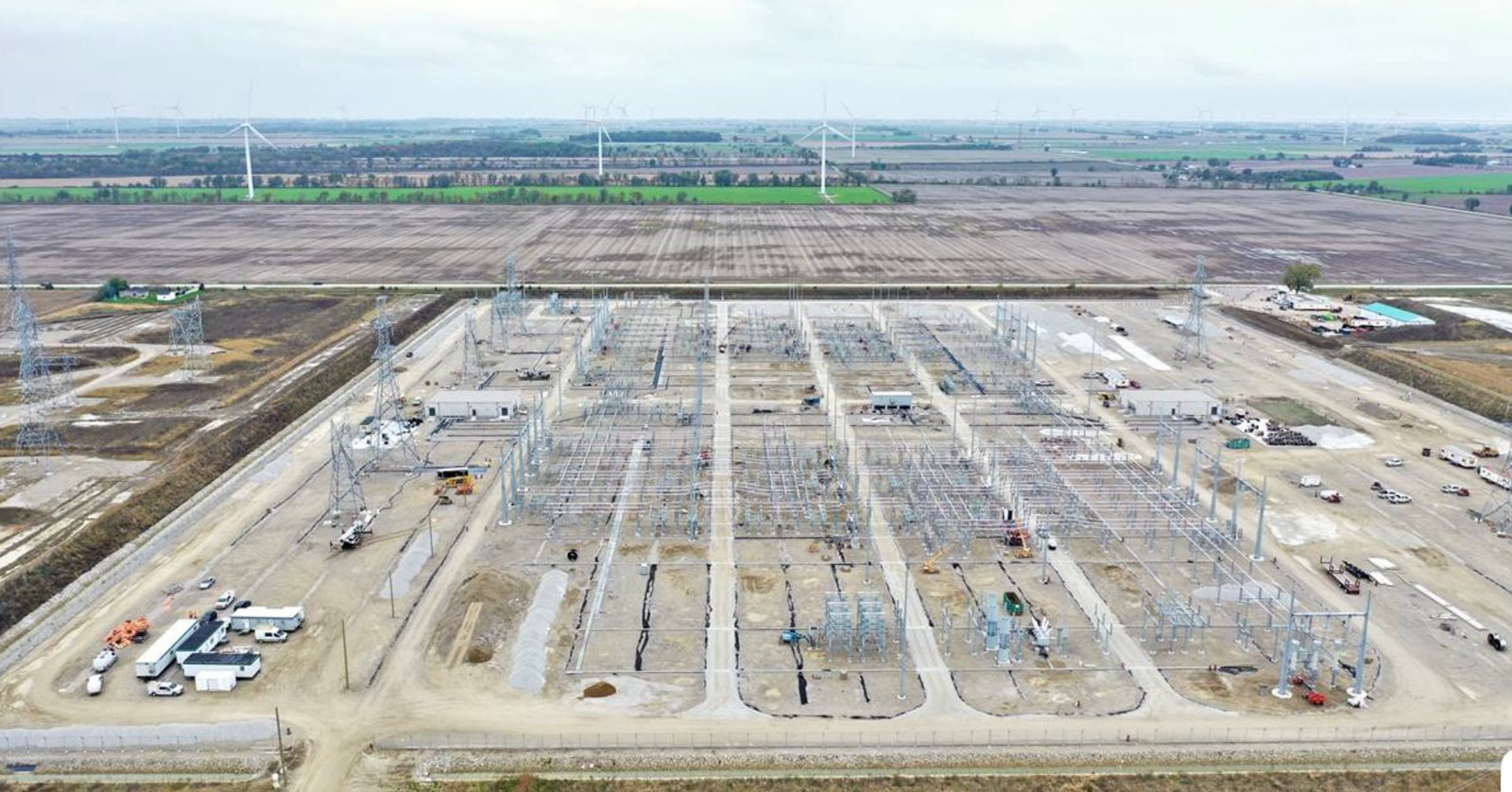
Substation civil engineering starts in the early stages of preliminary layout designs. Civil engineers contribute to the site selection, soil reconnaissance, topographical assessment, and advice on general grading and drainage plans. If power transformers are involved, civil engineers will also design oil spill containment systems.
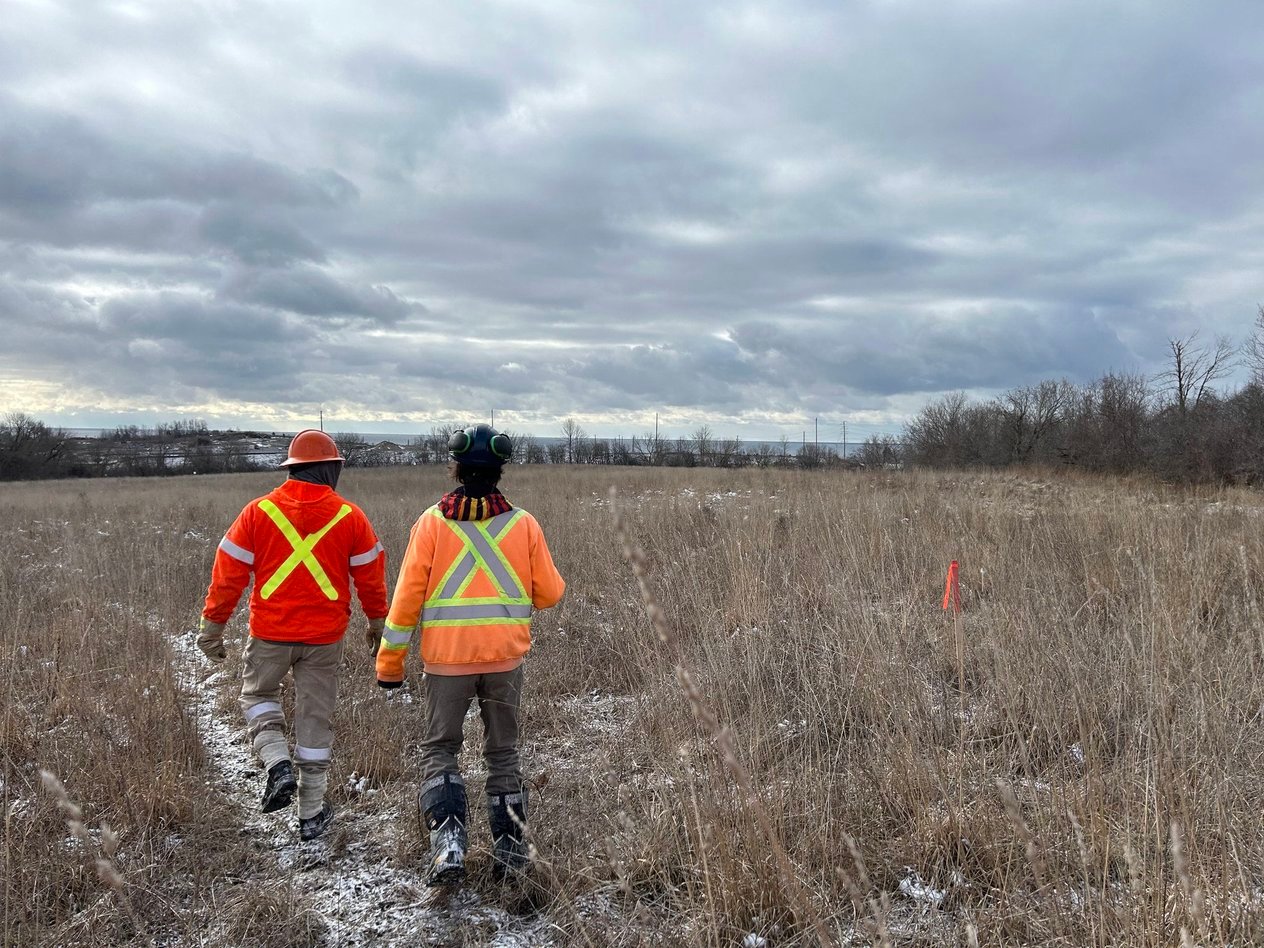
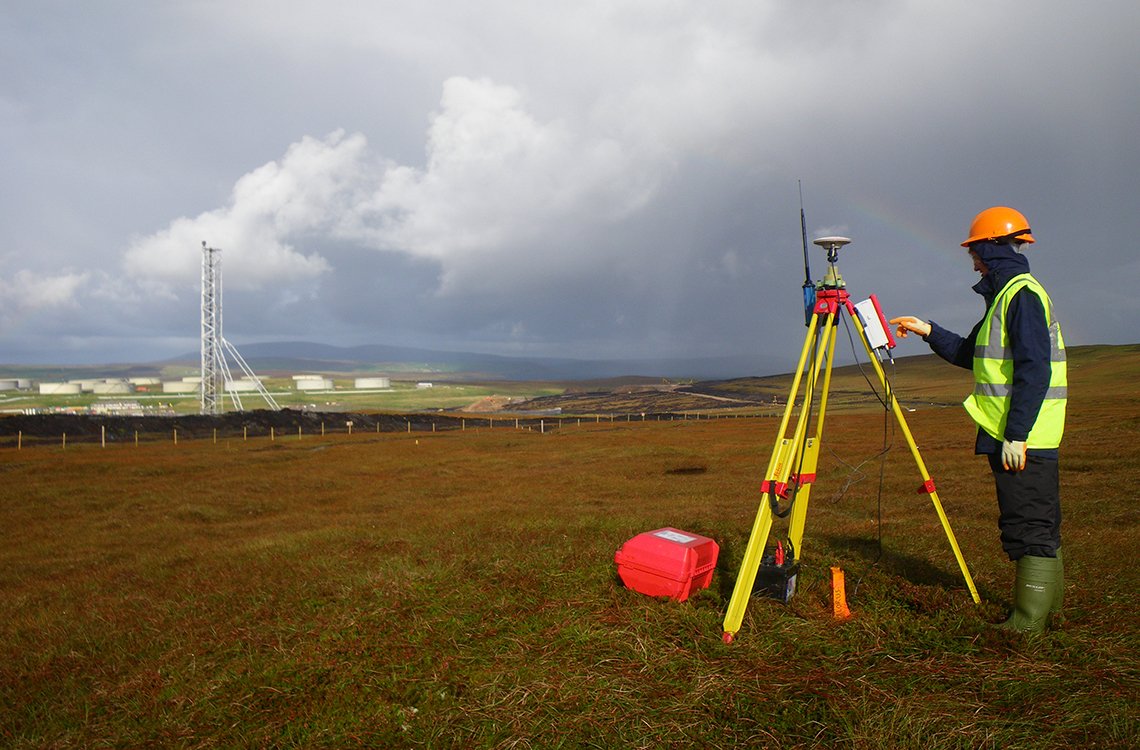
1. Area reconnaissance and site investigations: The process requires civil engineers to review available information and advise on the suitability, accessability, and constructability of the substation.
2. Grading, drainage and spill containment designs: Grading plan should consider subsurface soil conditions, bedrock depth, groundwater elevations, floodplain and existing grade conditions. Considerations should also include conditions of neighboring properties, easement required, and separation of land due to zoning changes.
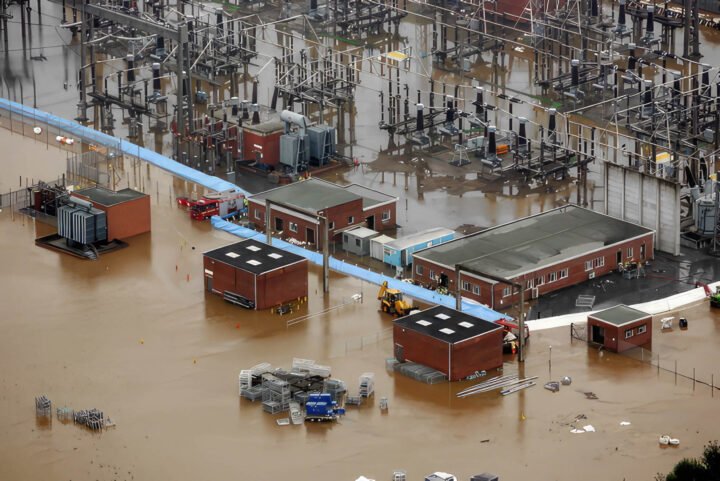
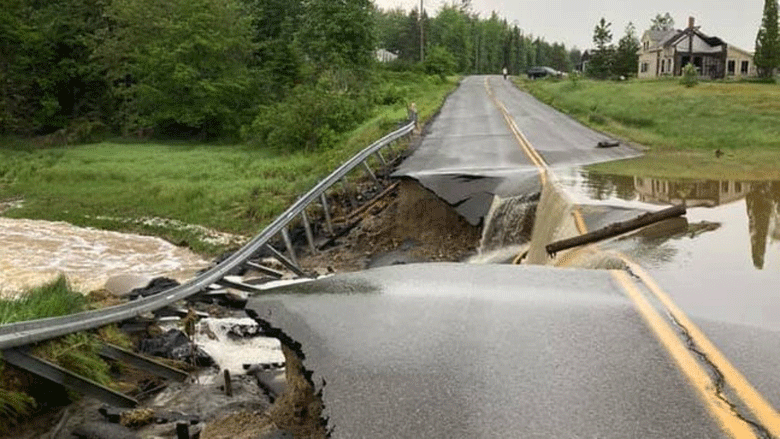
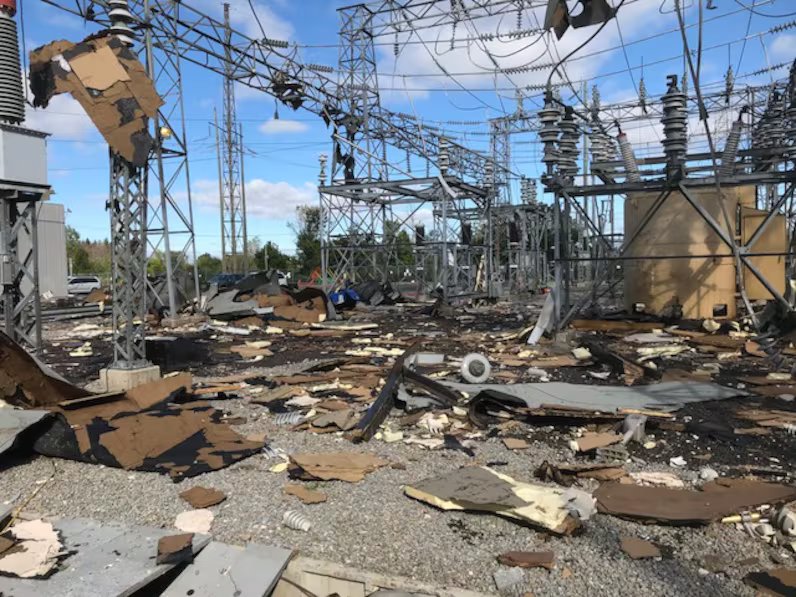
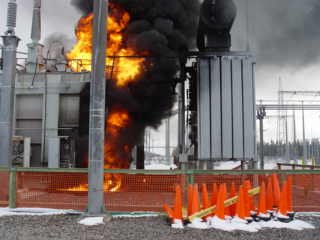
3. Environmental requirements and approvals: Electrical substations are classified as post-disaster establishments, and need to be accessible during and after emergencies such as flooding, fire and eqrthquake. Substation buidling floors must be set at least 300 mm above the flood level of a 100 year storm, and station access roads must be able to support emergency vehicles as well as transformer delivery trucks.
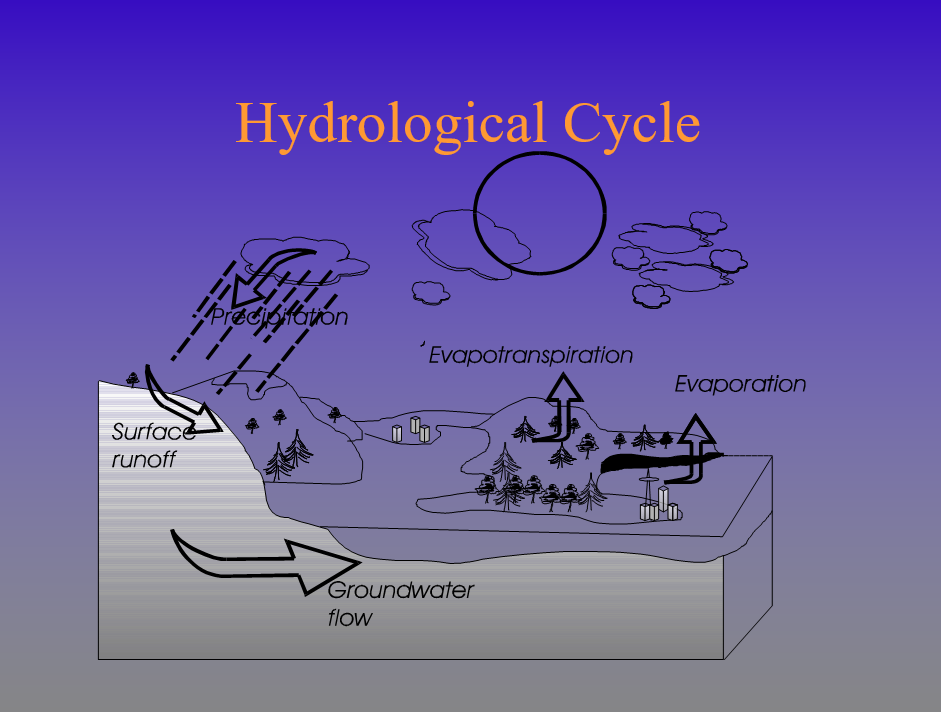
2. Grading, drainage and spill containment designs: Grading plan should consider subsurface soil conditions, bedrock depth, groundwater elevations, floodplain and existing grade conditions. Considerations should also include conditions of neighboring properties, easement required, and separation of land due to zoning changes.
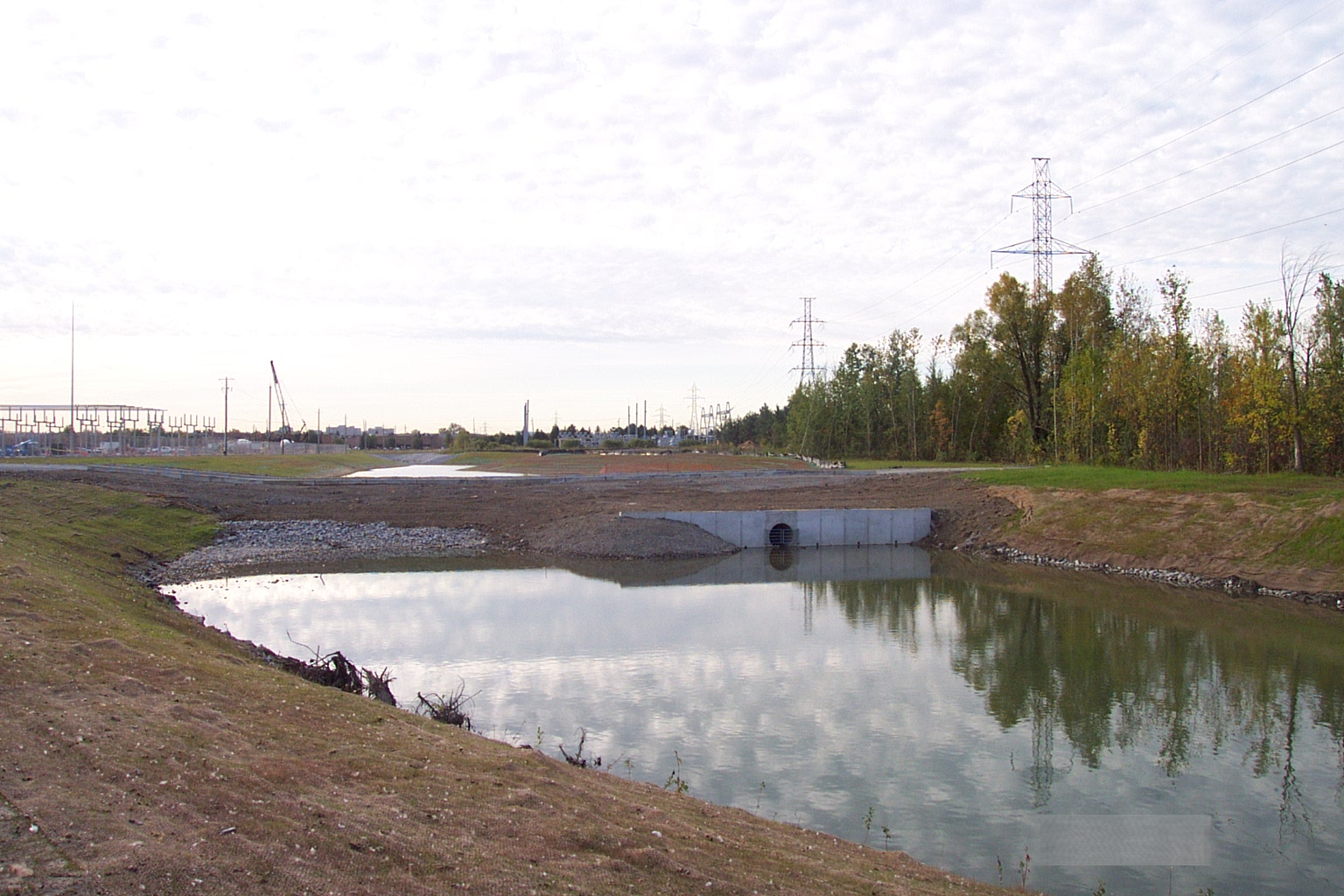
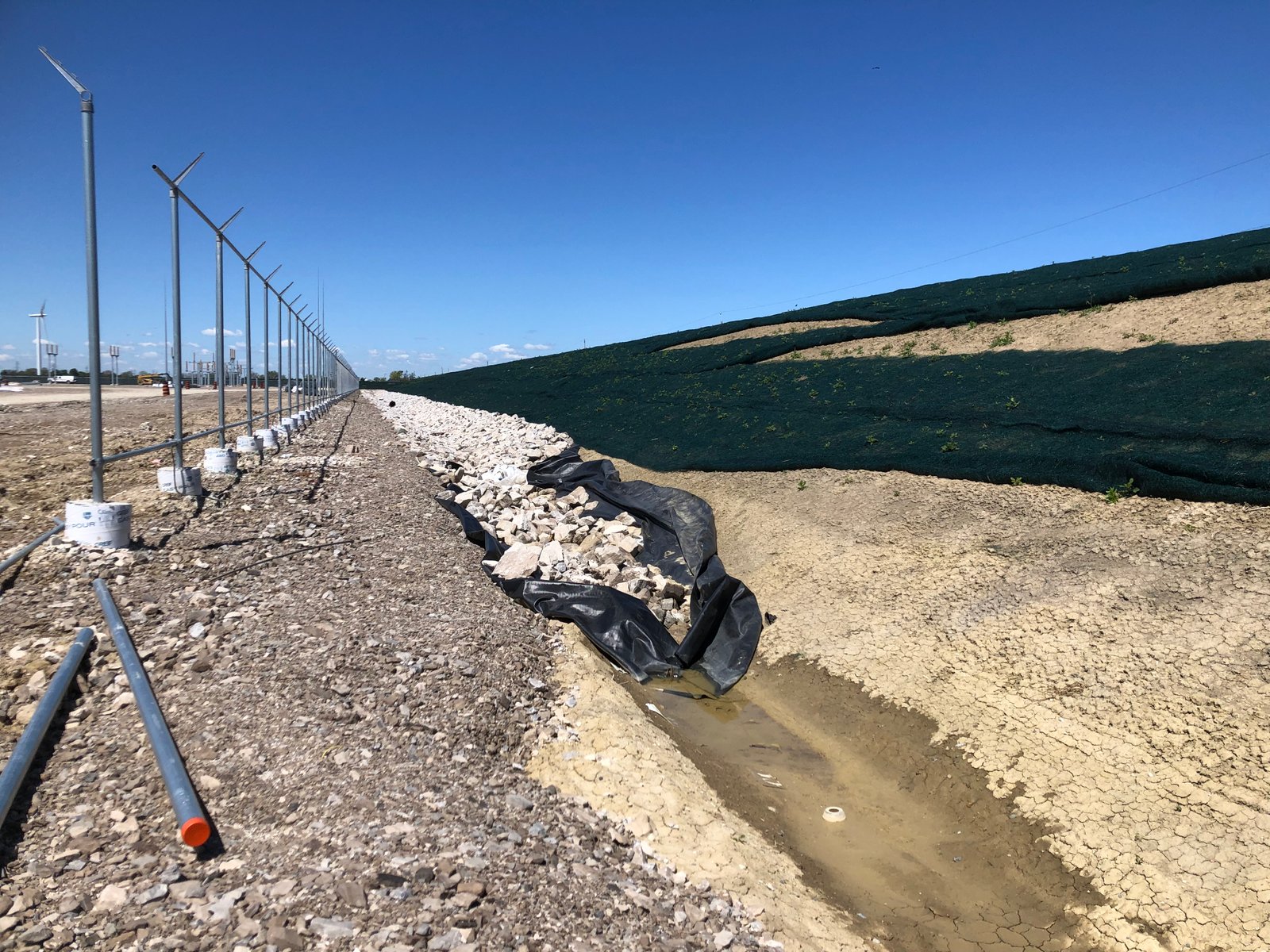
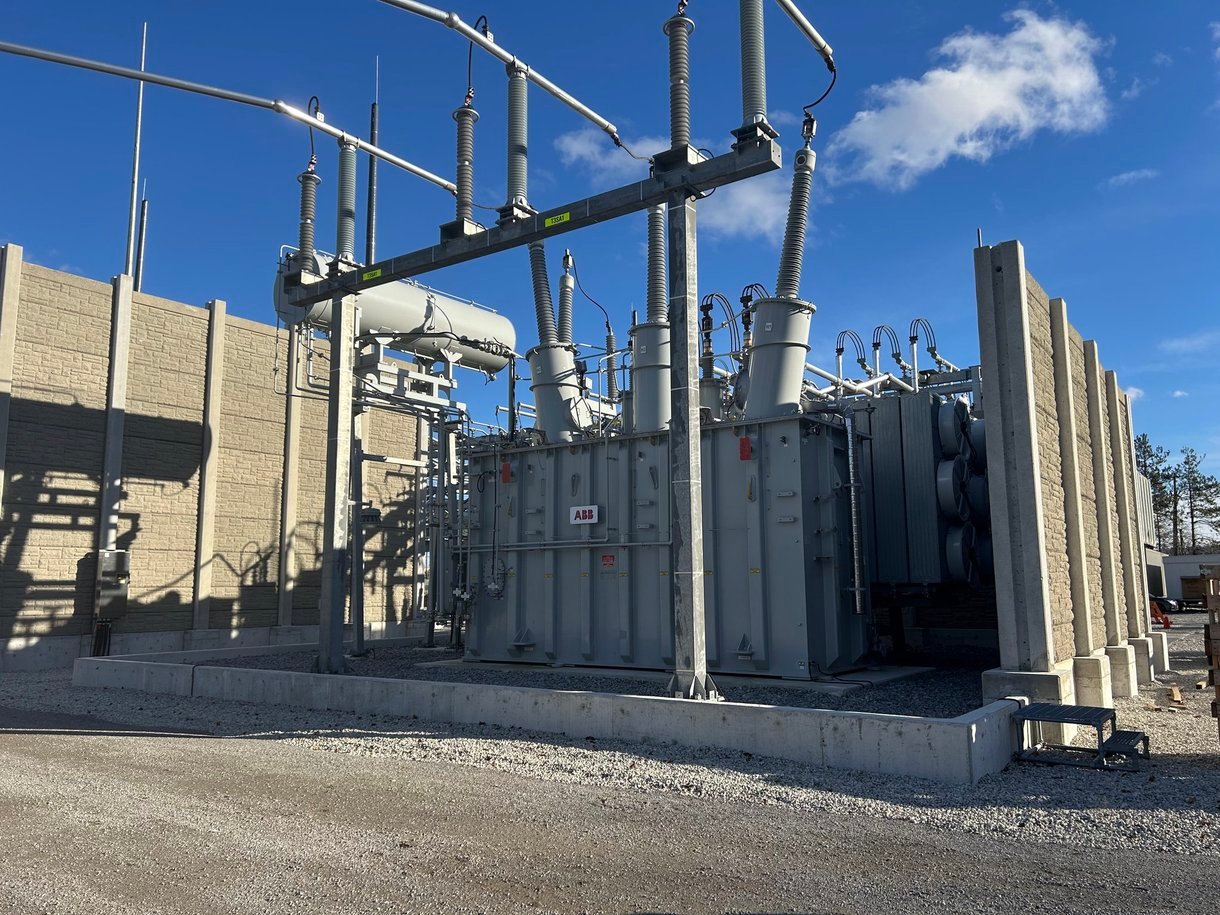
3. Environmental requirements and approvals: Electrical substations are classified as post-disaster establishments, and need to be accessible during and after emergencies such as flooding, fire and eqrthquake. Substation buidling floors must be set at least 300 mm above the flood level of a 100 year storm, and station access roads must be able to support emergency vehicles as well as transformer delivery trucks.
Structural Engineering
Electrical substation structures are usually steel members designed primarily to support equipment, overhead beams and conductors, as well as lines entrances and lightening spikes. These structures are designed to withstand ultimate loads as well as to provide limited deflections under variable serviceability conditions. The expected service life of such structures is normally 50 plus years.
1. Loads considered: Substation structural design is to satisfy static loads (weight of structure, weight of equipment, insulators and conductors), wind loads, operating loads, short circuit loads and seismic loads.
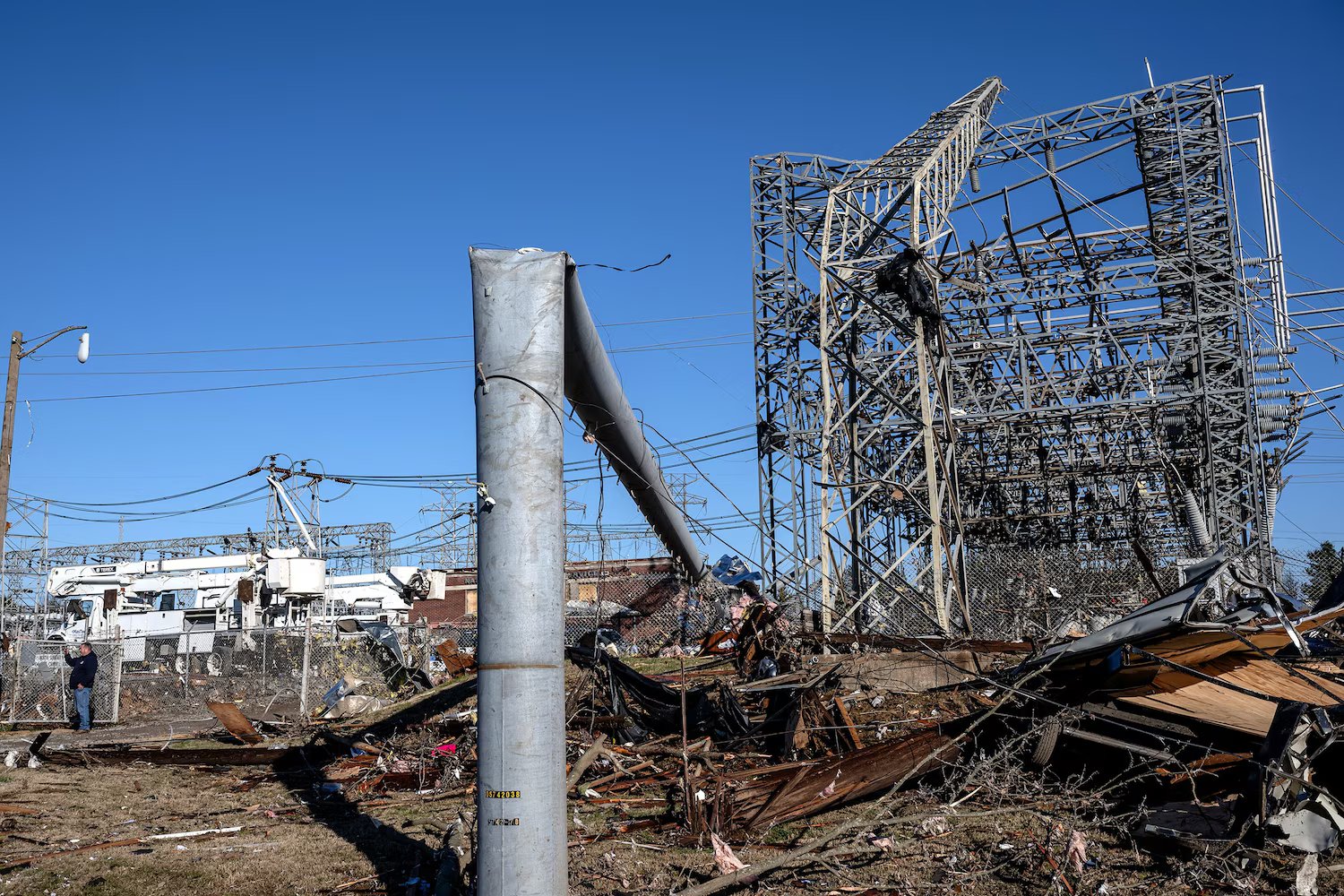
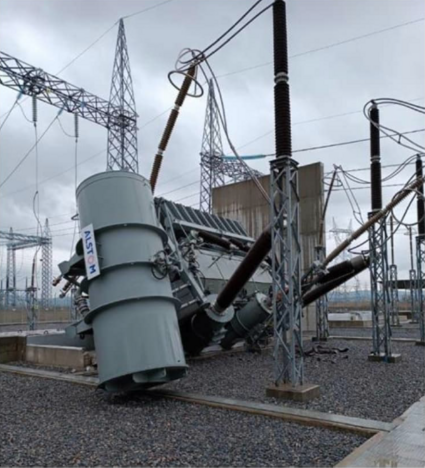
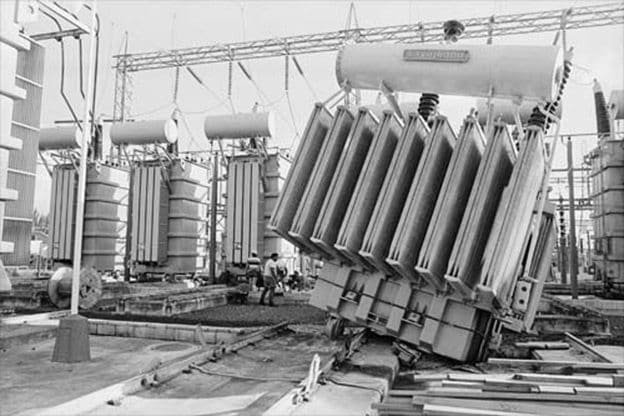
2. Steel design: Substation equipment are usually supported by steel structures including trusses, lattices and hollow tubes. Usually the loads on these structures are not of major concerns except for line entrance structures which requires special designs. Substation structures are generally constructed from galvanized steel.
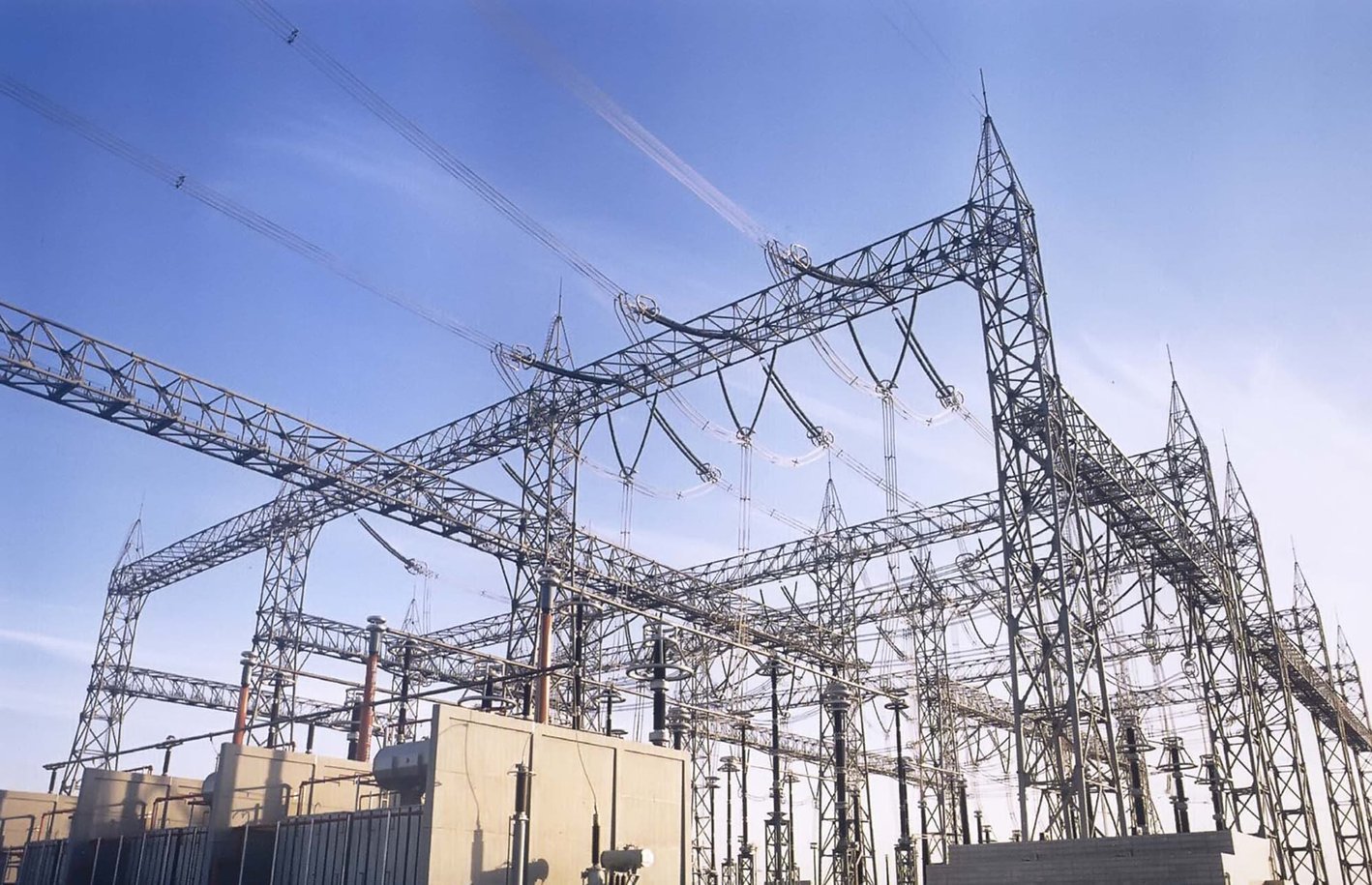
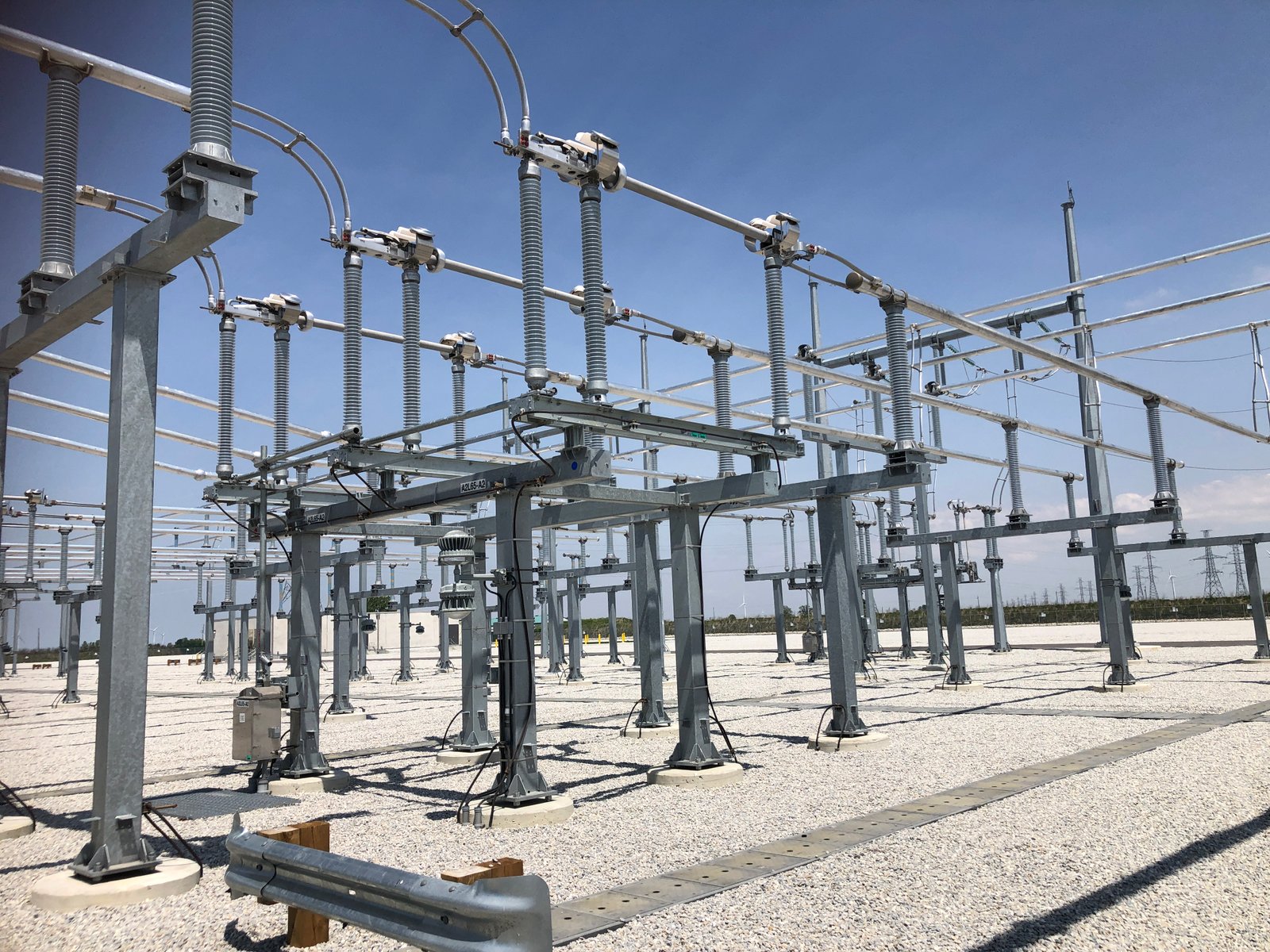
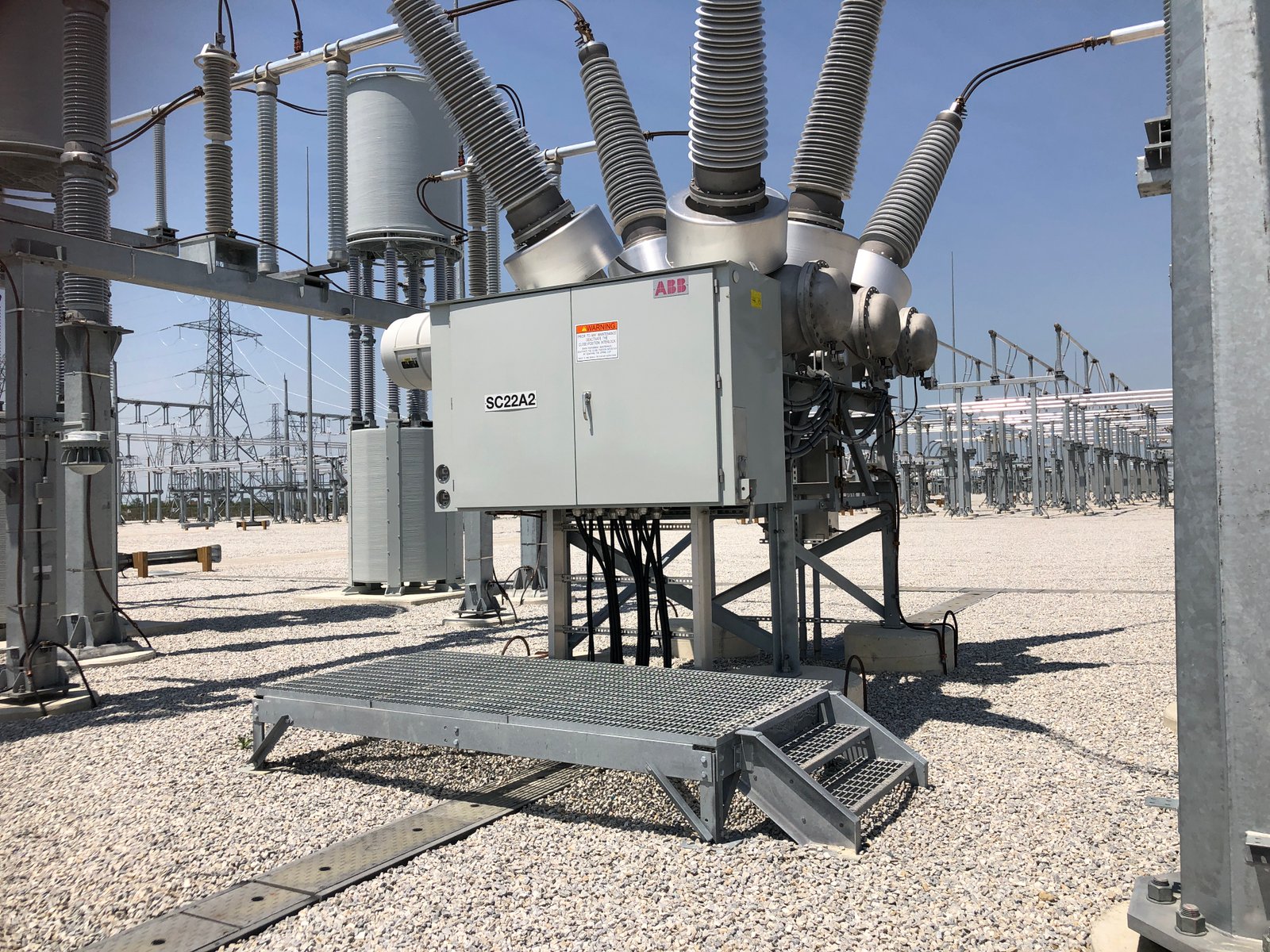
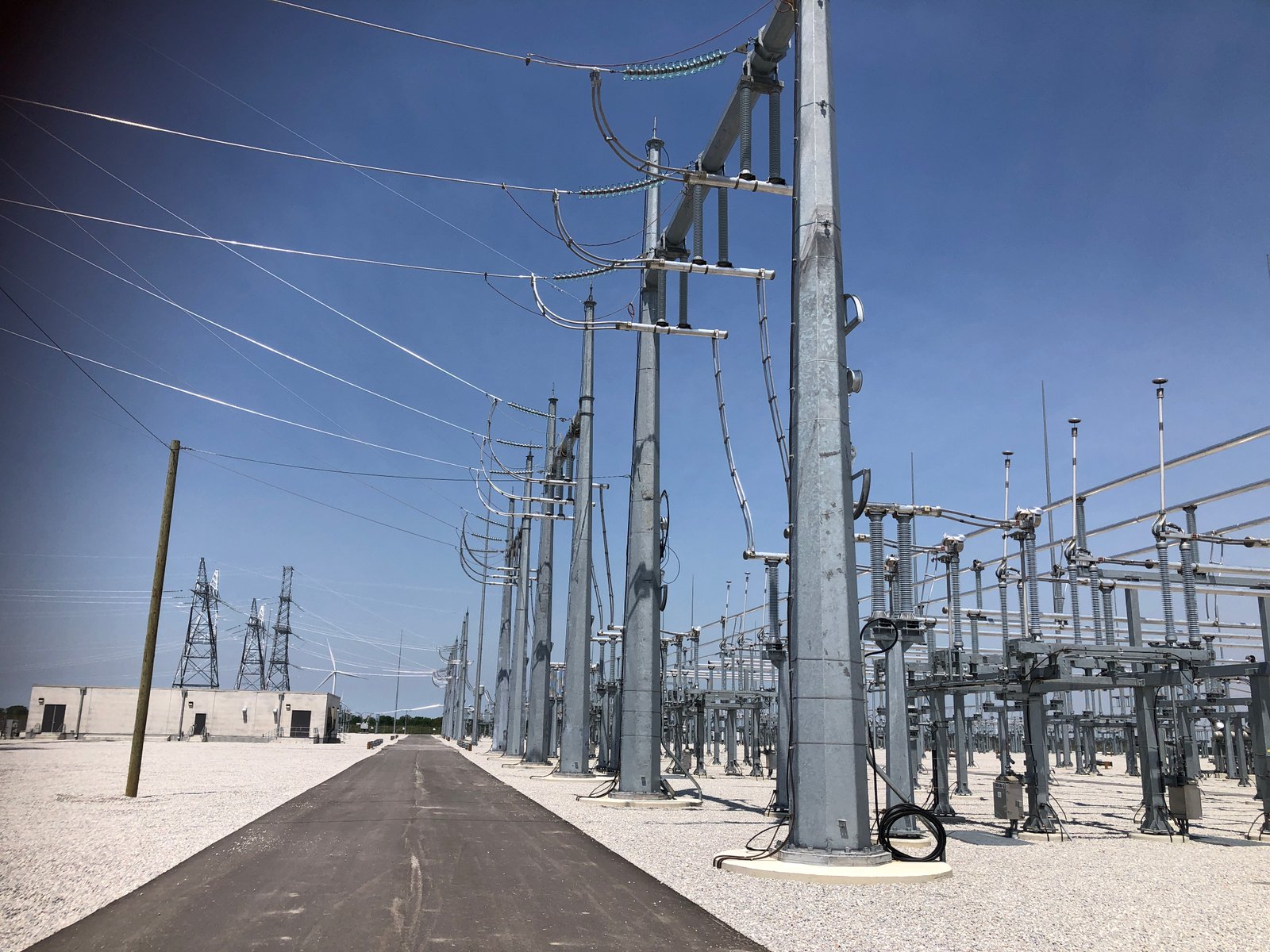
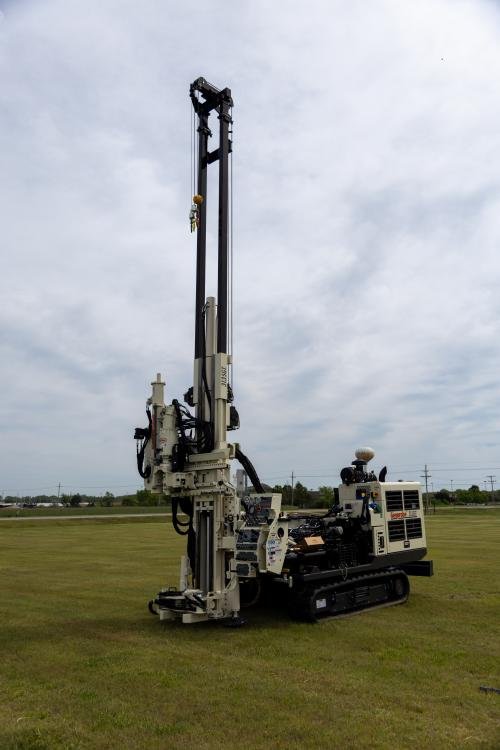
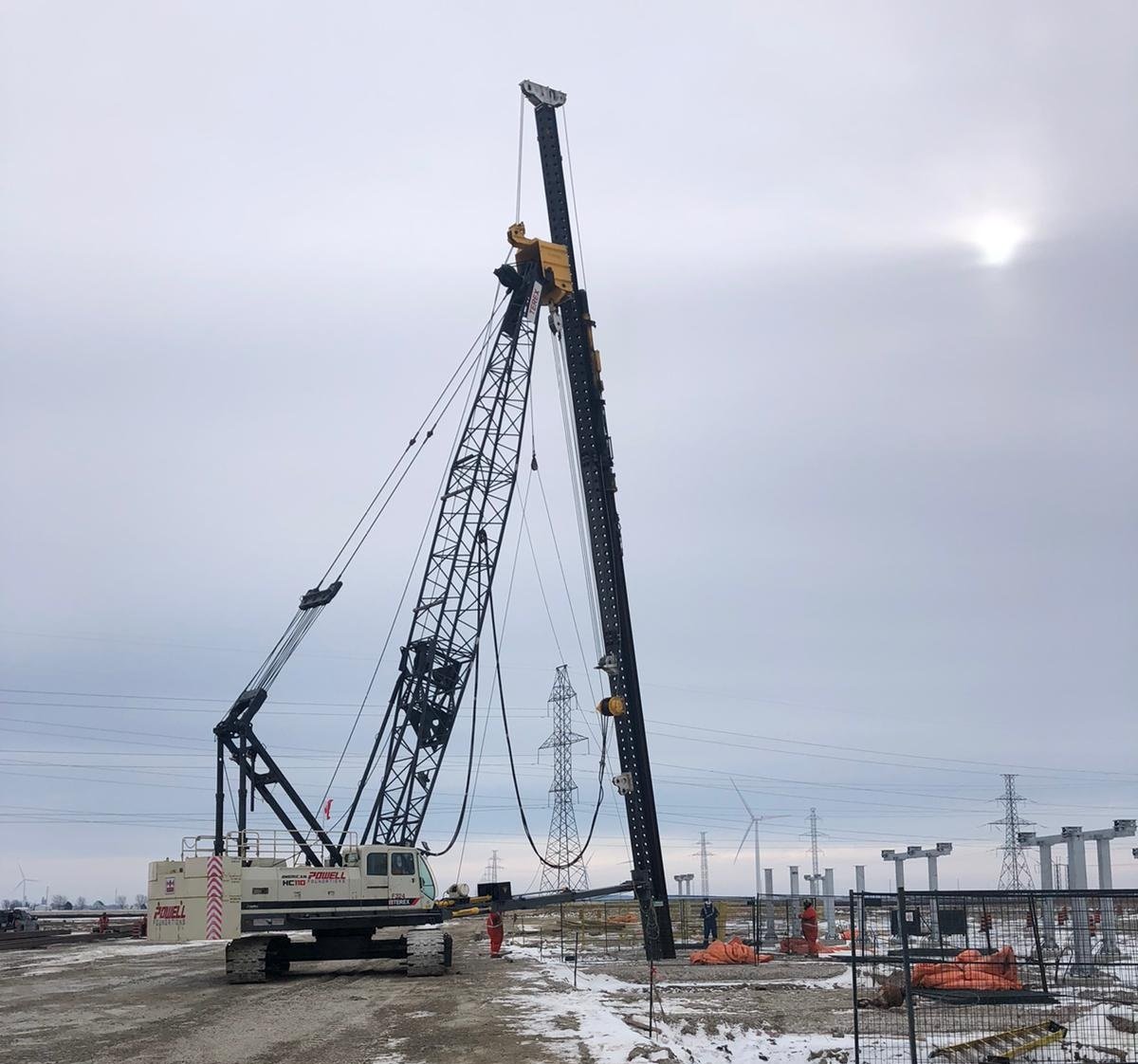
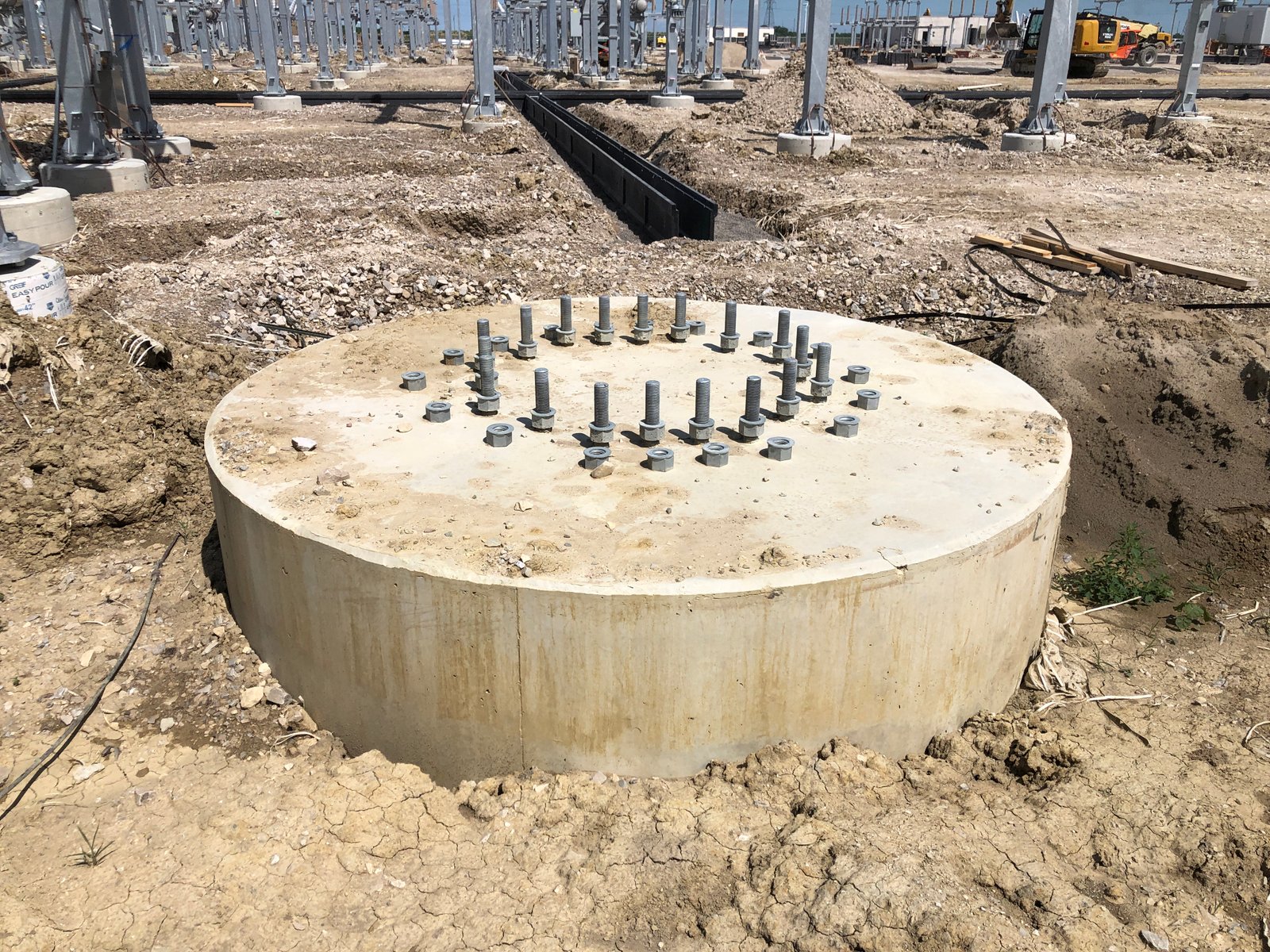
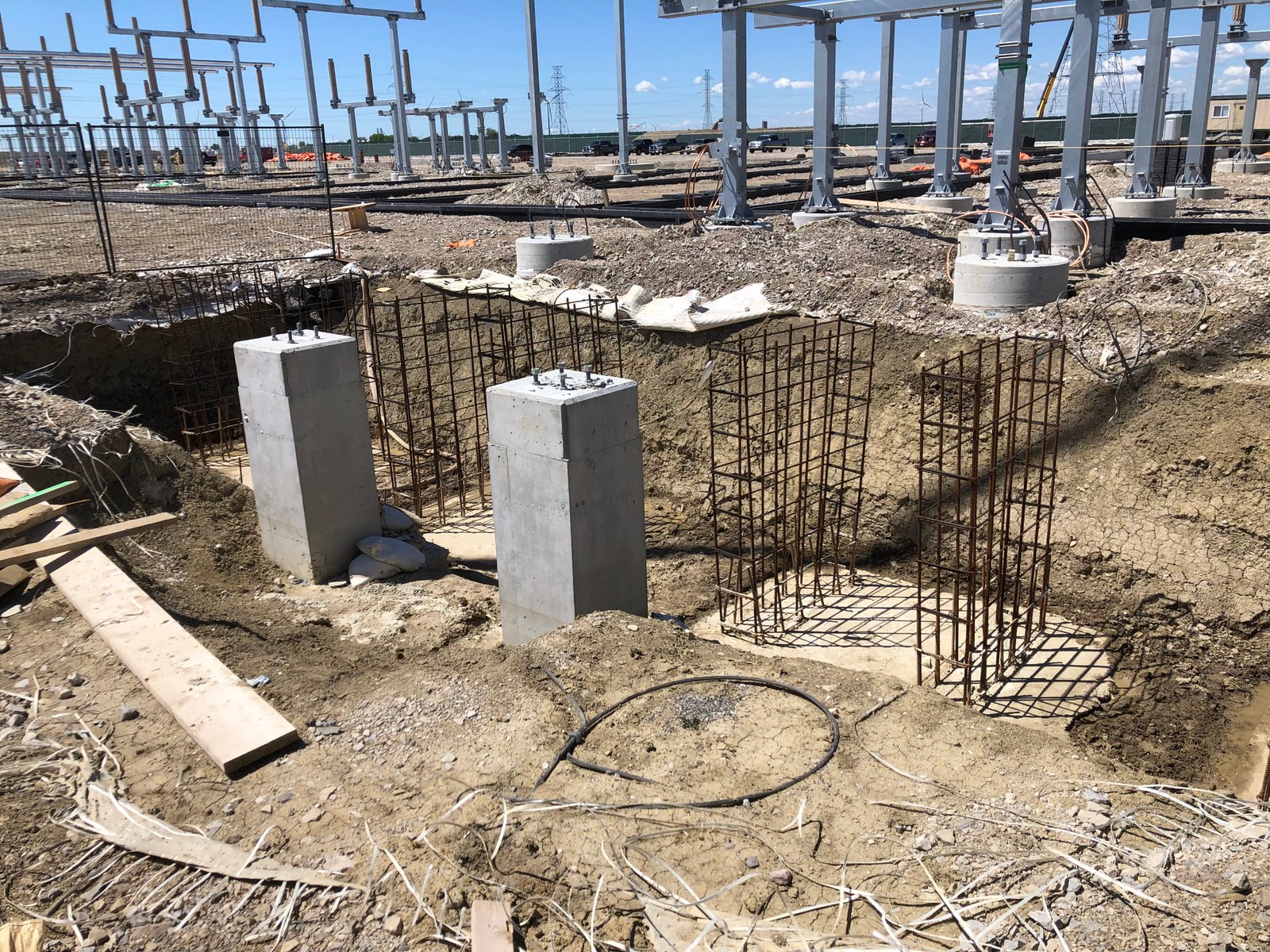
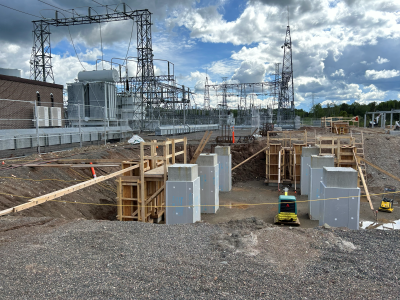
3. Foundation design: This is the most critical part of the designs. Foundations must support heavy electrical equipment such as transformers and circuit breakers, while also resisting environmental forces including wind, seismic, and frost heave. Depending on soil conditions, various footing types can be used, this include augured, pad and pier, steel pile, micropile, and helical or screw pile foundations.
Typical substation equipment are: power transformer, switchgear, circuit breaker, disconnect switch, bus and conductor, surge arrester, instrument transformer, auxilary transformer, station service transformer, lightening mask, line entrance structure.
Innovation by Design
In recent years, new technologies, new materials and new design philosophies are emerging, and have resulted in faster development and noticeable cost savings:
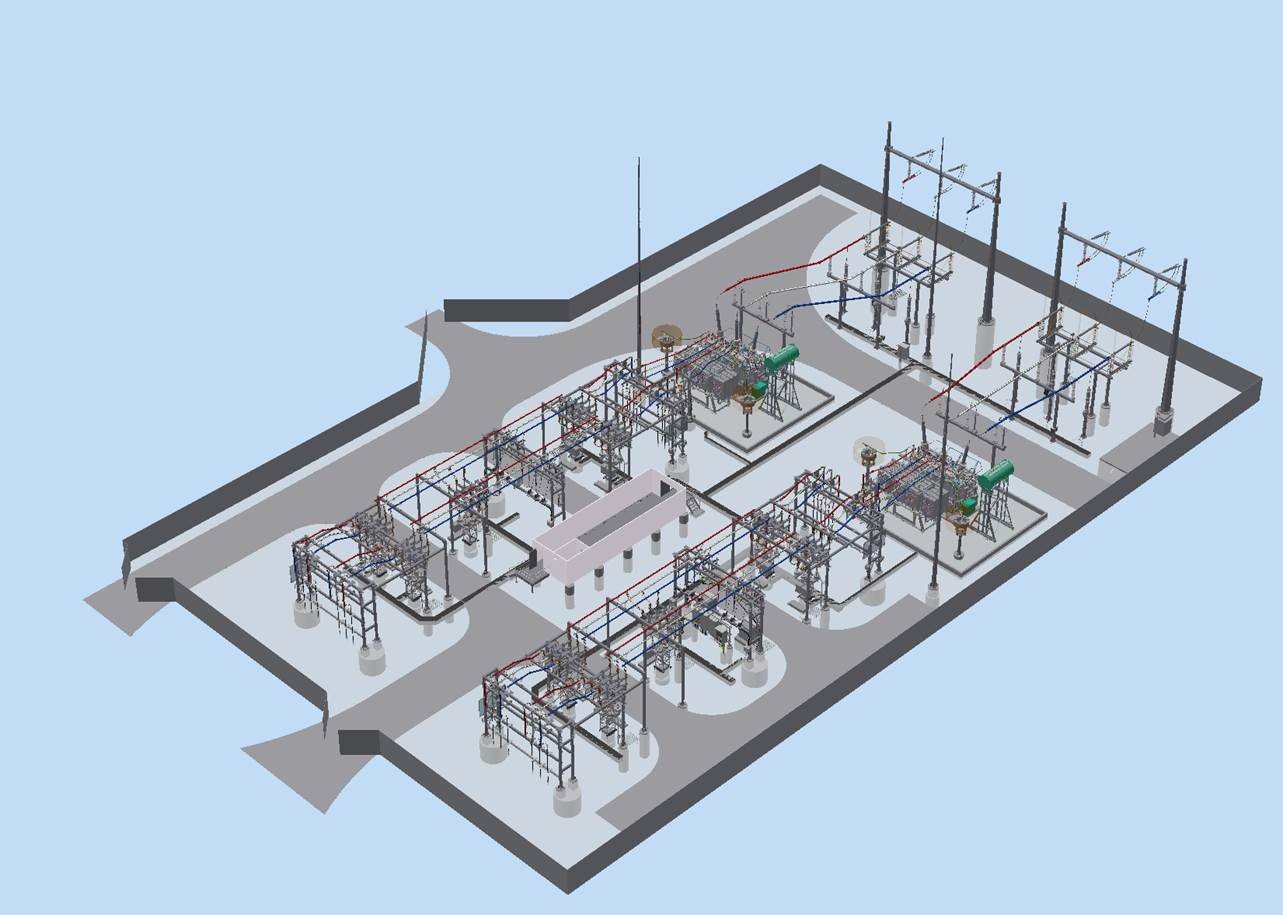
3D Modeling The use of 3D modeling has revolutionized substation design. These tools allow for better visualization of complex spatial relationships, improved coordination between different engineering disciplines, and more accurate quantity estimations.
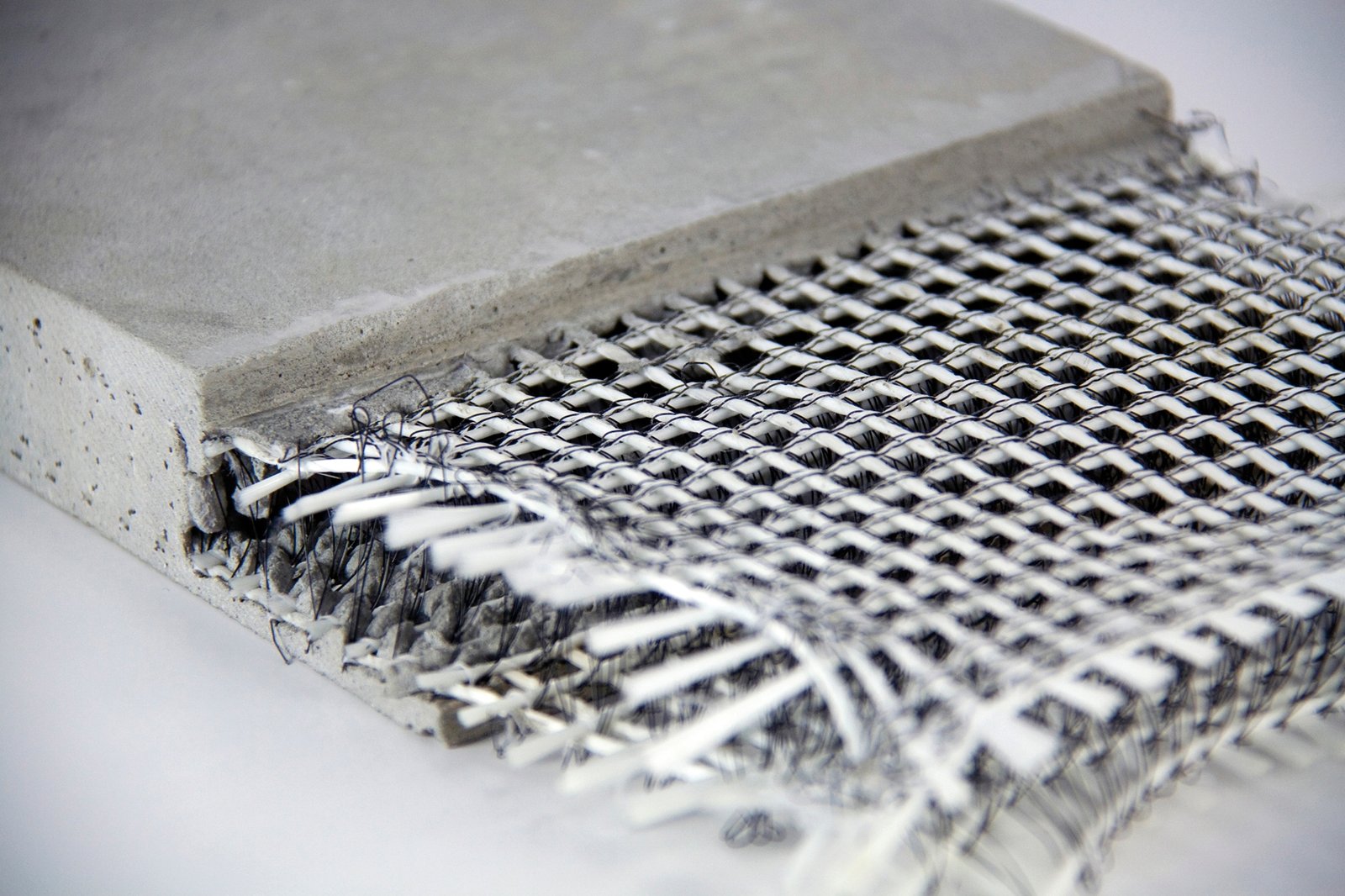
Advanced Materials Innovations in materials science are providing engineers with new options for substation construction. High-performance concrete, fiber-reinforced polymers, and advanced steel alloys offer improved durability, strength, and resistance to environmental factors.
Modular and Prefabricated Designs Modular substation designs and prefabricated components are gaining popularity. These approaches can reduce on-site construction time and improve quality control.