|
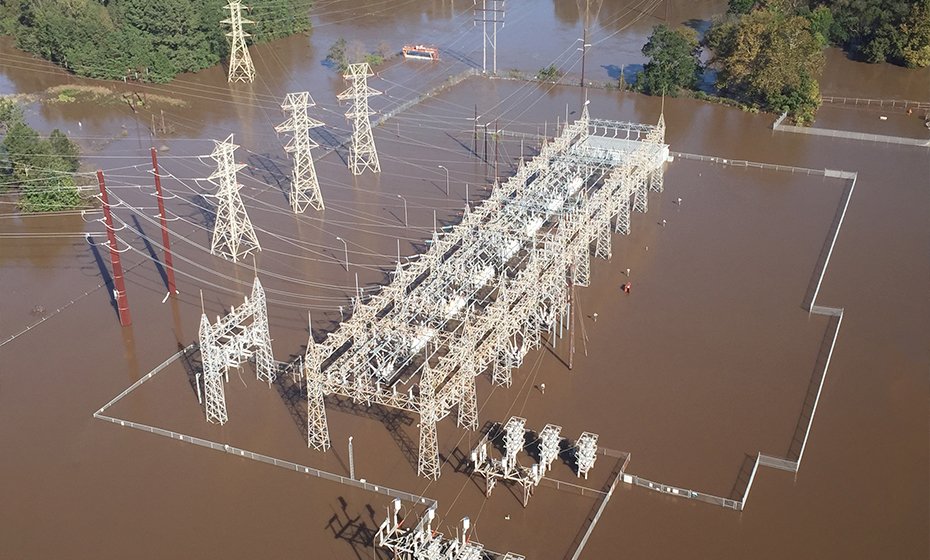
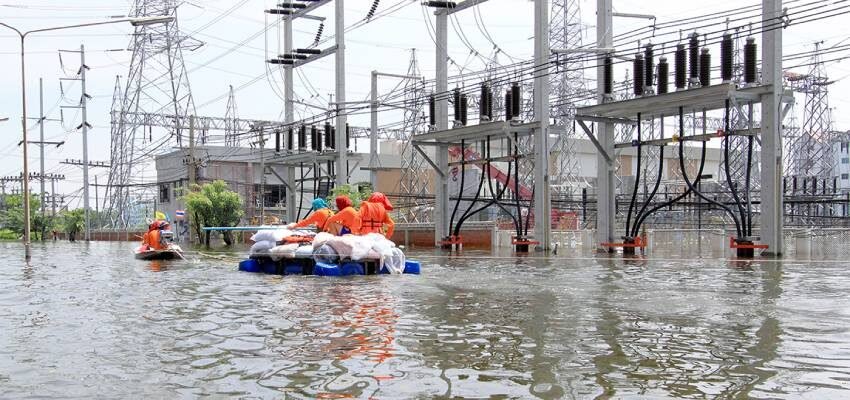
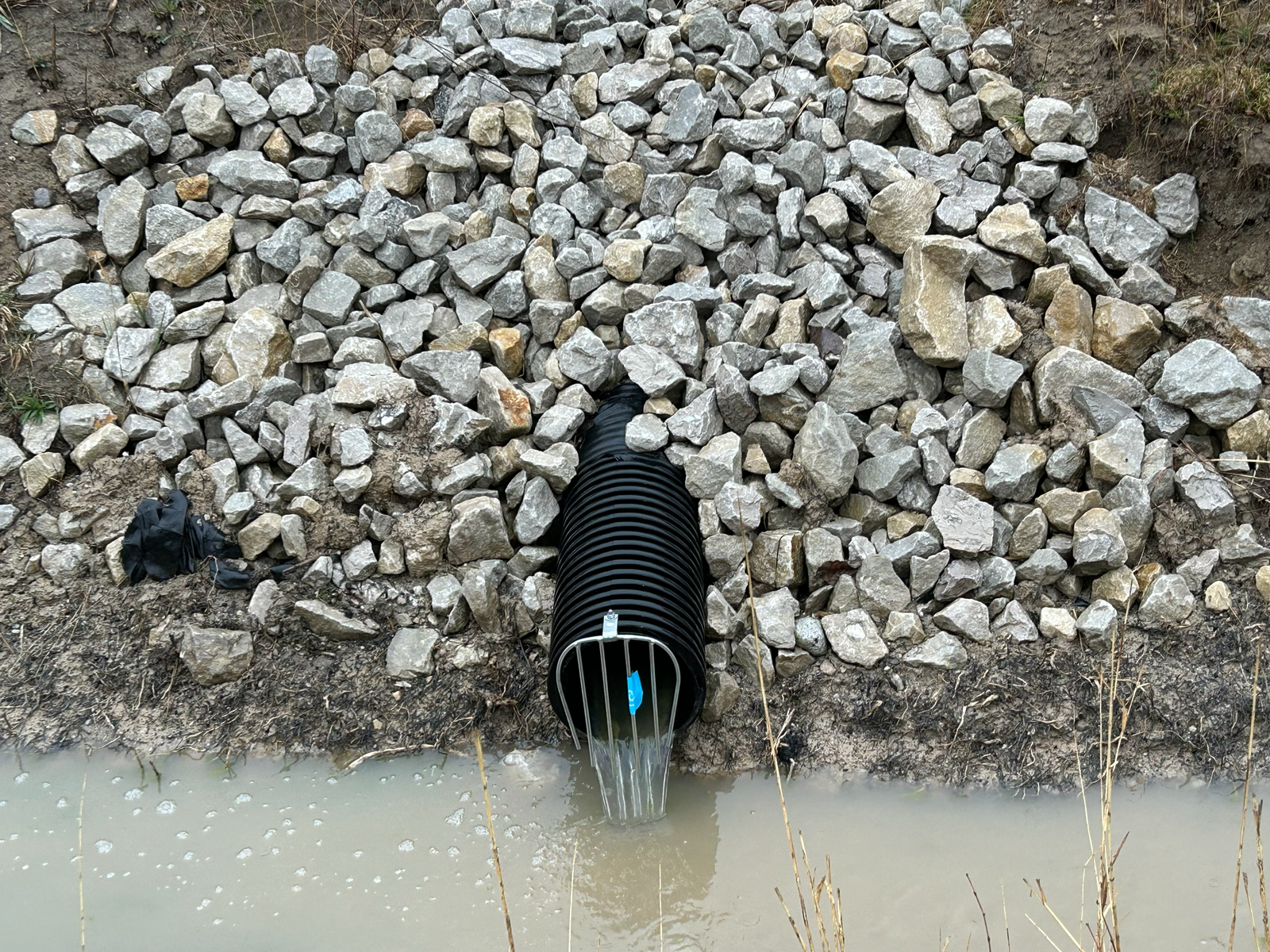
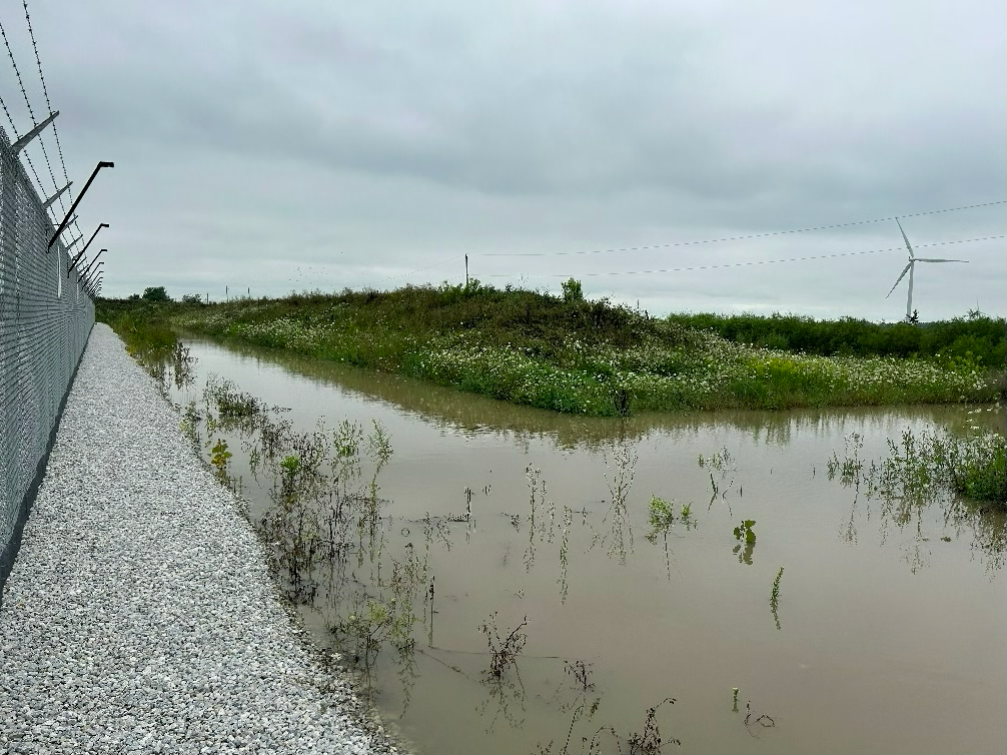
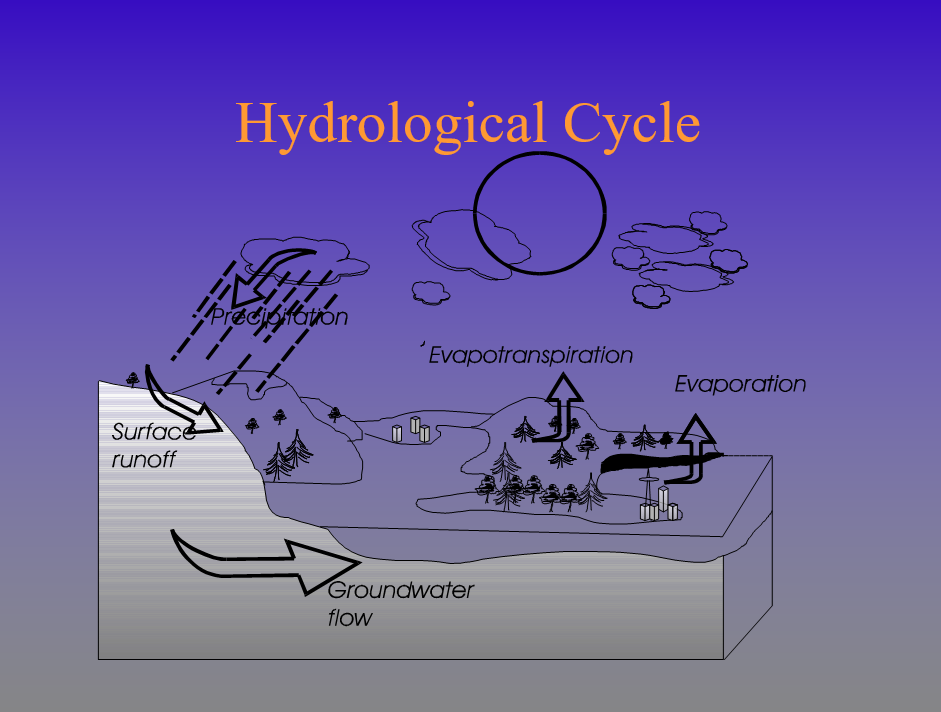
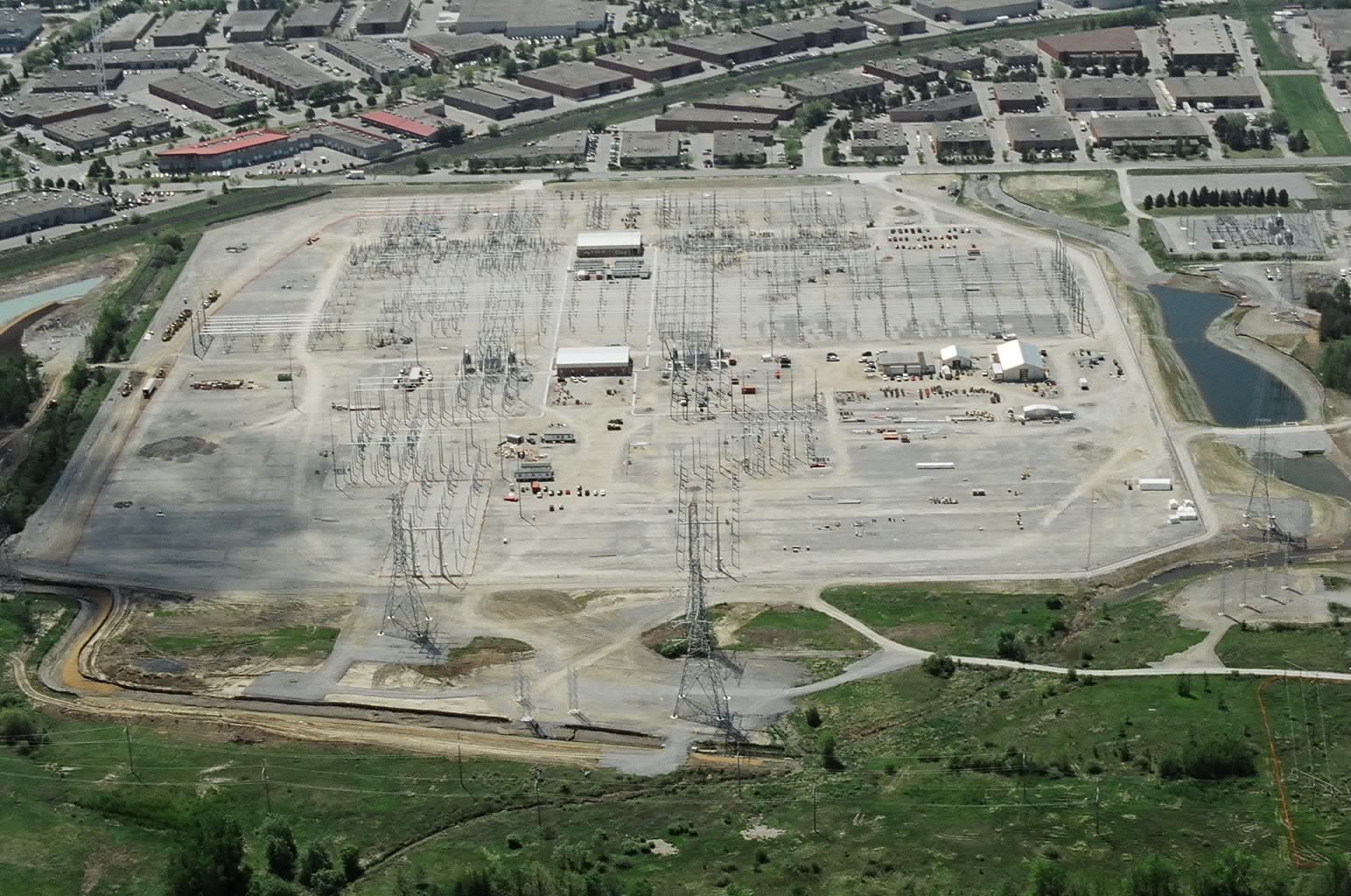
Substation SWM design best practiceStormwater management study is required when a new development such as a substation, will alter existing drainage patterns. This would involve analyzing relationships between land use and water quantity and quality, sources of stormwater pollutants, watershed planning, and traditional stormwater management concerns. 1. Hydrologic impacts In general, a new substation will alter the natural hydrologic cycle and the movement of water out of the land. The development removes natural vegetation and introduces new pervious or impervious surfaces, such as roads, rooftops, driveways, and hardscape surfaces. Precipitation falling on these altered areas may result in an increase in stormwater runoff. Substations can be designed to balance the negative and positive hydrologic impacts by way of:
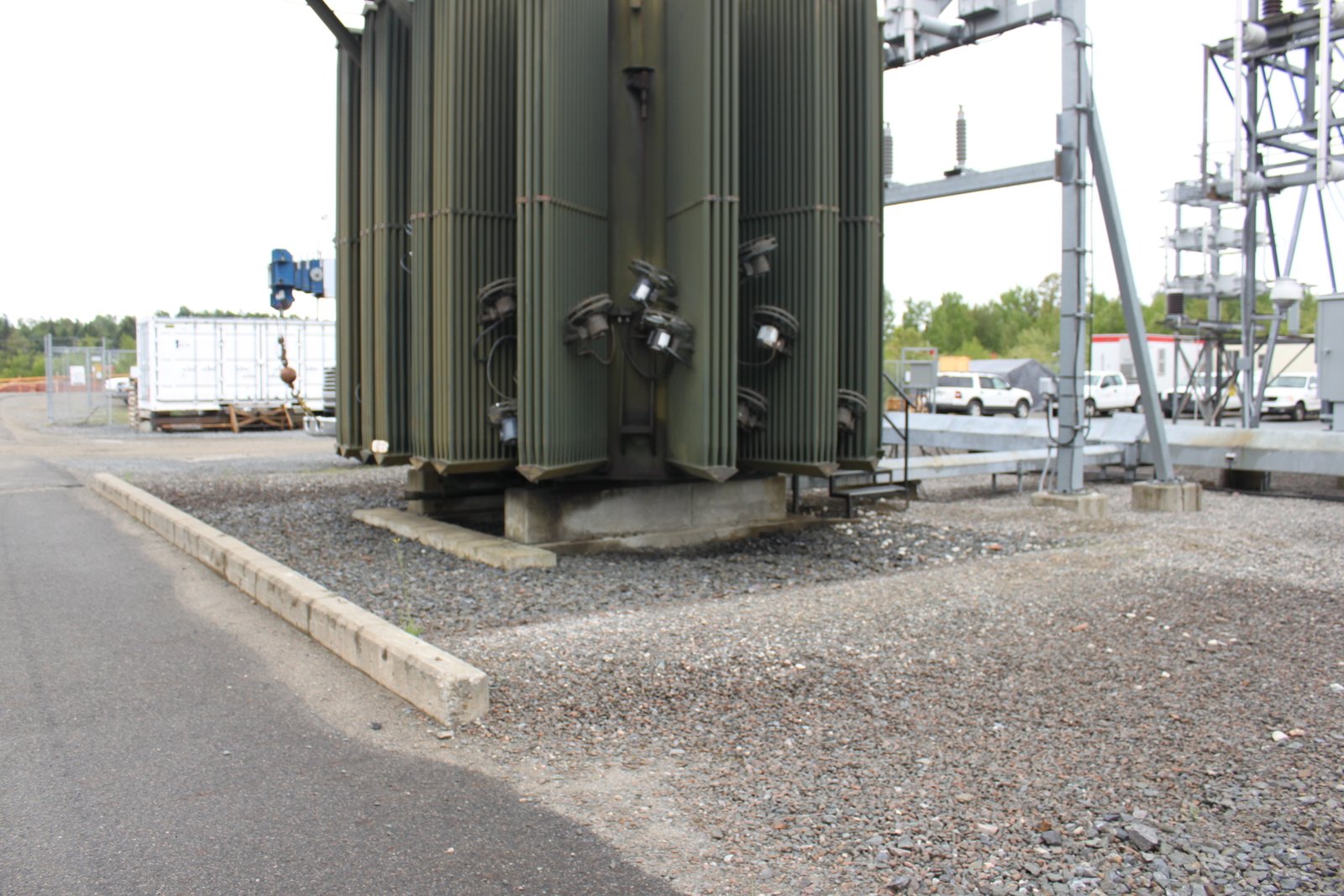
2. Water quality impacts Substation development may also affect water quality. The pollutants affecting water quality may come from oil filled equipment, changes in land use and associated activities. If not captured, these pollutants would be picked up and carried by stormwater runoff and discharged to receiving waters. It is therefore essential to lessen the water quality impacts from the source: 2. For total suspended solids (TTS), best management practices shall be implemented which should include LID measure. 3. Concerns with conventional stormwater management In the old days substation stormwater management was focused on removing stormwater from the site as quickly as possible to reduce on-site flooding. Measures taken for this purpose included curb and gutter and piping systems, that discharge runoff to the nearest receiving water, or implementing detention type BMPs to reduce peak runoff discharge rates. Although this was efficient in preventing on-site flooding, it has proven to be devastating to downstream waters by increasing the frequency and magnitude of floods, altering stream channel morphology (alignment, cross-section geometry, streambed composition) and reducing groundwater recharge, all of which make less water available for drinking water withdrawal and stream base flows. It is for this reason, use of LID measures should be maximized, and provision of spill containment system is encouraged (or mandated in some industrial nations). |
Methods for predicting stormwater runoffsVarious programs have been developed over the years trying to model storm events as closely accurate as possible however, the most popular one is still Modified Rational Method for small watershed of 20 acres or less with a Time of Concentration of less than 20 minutes. For large watershed SWMM is the choice as it is recommended by the US EPA. 1. Modified Rational Method
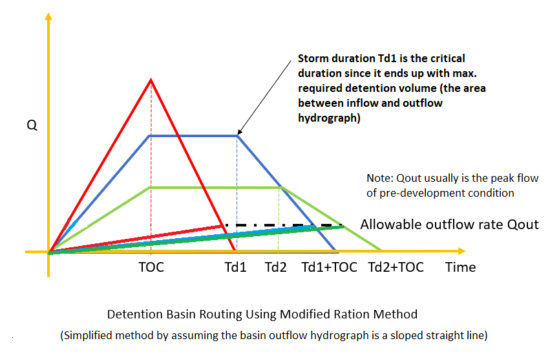
The Modified Rational Method is an ultra simplified method common to civil engieers, used to generate flows in place of a full hyetograph. This method benefits from easy confirmation of results by hand. Due to its static nature, this runoff method does not require dynamic rainfall, and a single or multiple IDF Table can be used. Most design storms can be used as well, as they hold or can generate IDF tables internally.
This method assumes that the rainfall intensity averaging period is equal to the actual storm duration. This means that the rainfall and runoff that occur before and after the rainfall averaging period are not accounted for. Therefore, the Modified Rational Method may underestimate the required storage volume for any given storm event. For small scale development site, Modified Rational Method can be used for estimating peak runoffs of major storms, and for designing storage requirement and flow control measures. The method involves the use of the standard rational method equation to generate a peak flow that is then converted into an inflow hydrograph using the following formula:
Q=k (C i A )/ 360
where:
Q = Flow
k = Intensity Factor - accounts for high intensity storms C= Runoff Coefficient i = Rainfall Intensity – selected from an IDF table based on the duration A= Area This method will exhibit the exact behavior of the Rational Method when the Duration of Peak is equal to the Time of Concentration. Using the Modified Rational method and running it with the Static Runoff Type will return a triangular hydrograph if the Duration of Peak is equal to the Time of Concentration, or a trapezoidal hydrograph if the Duration of Peak is greater than the Time of Concentration. 2. Storm Water Management Model (SWMM)
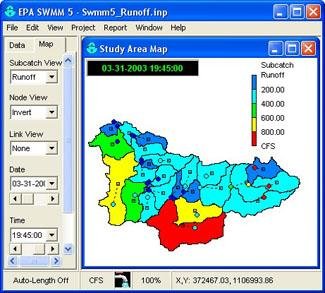
Storm Water Management Model (SWMM) is US EPA maintained program for decision support, emergency response, planning, analysis, and design related to stormwater. It can be used to evaluate gray infrastructure stormwater control strategies, such as pipes and storm drains, and is a useful tool for creating cost-effective hybrid green/gray stormwater control solutions. SWMM was developed to help support local and national stormwater management objectives to reduce runoff through infiltration and retention and help to reduce discharges that cause impairment to receiving waterbodies.
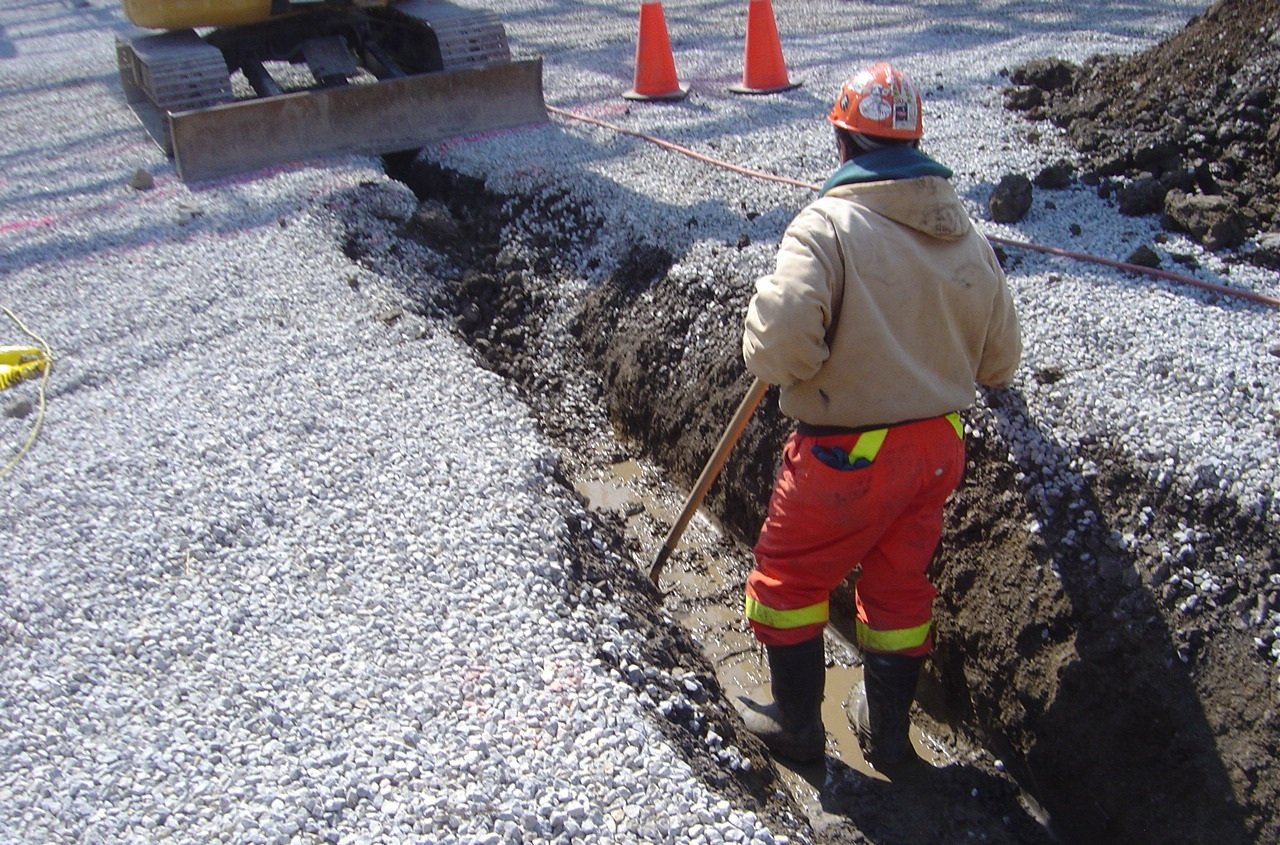
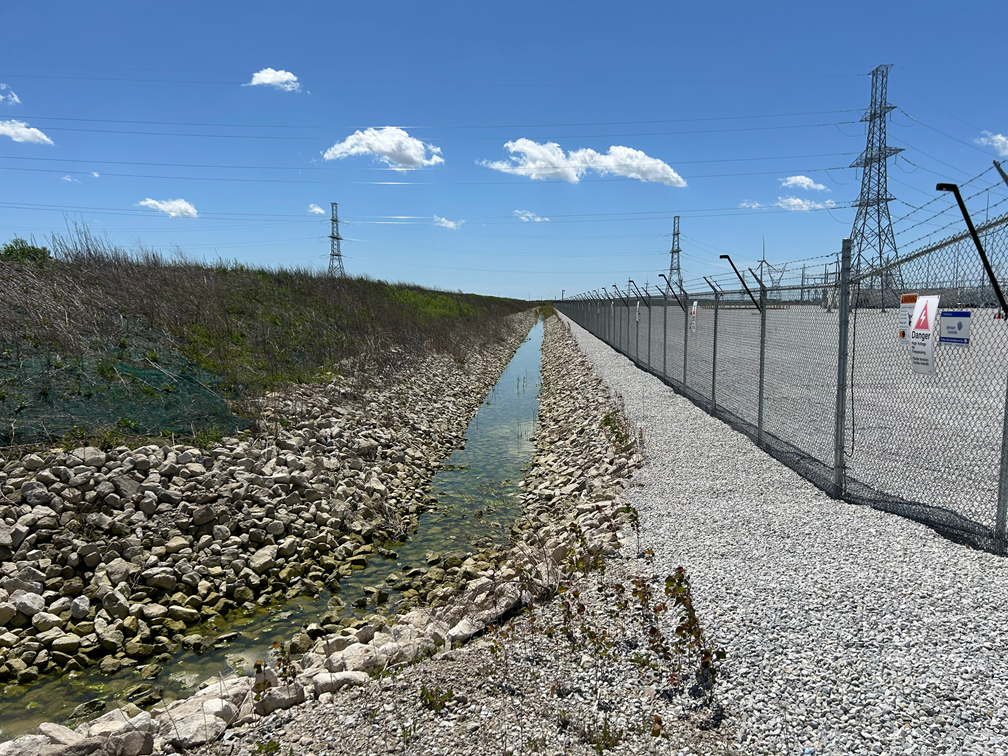
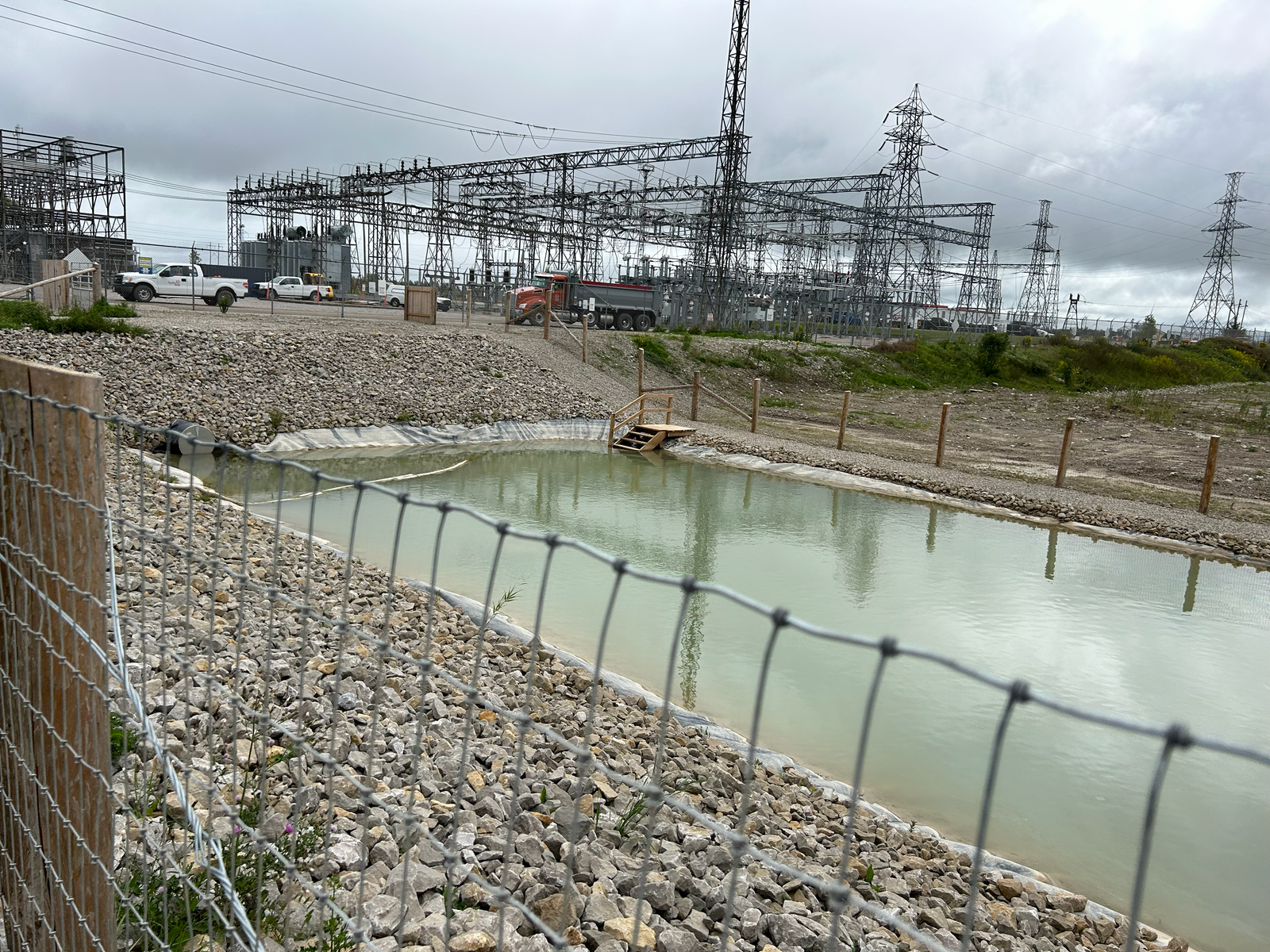
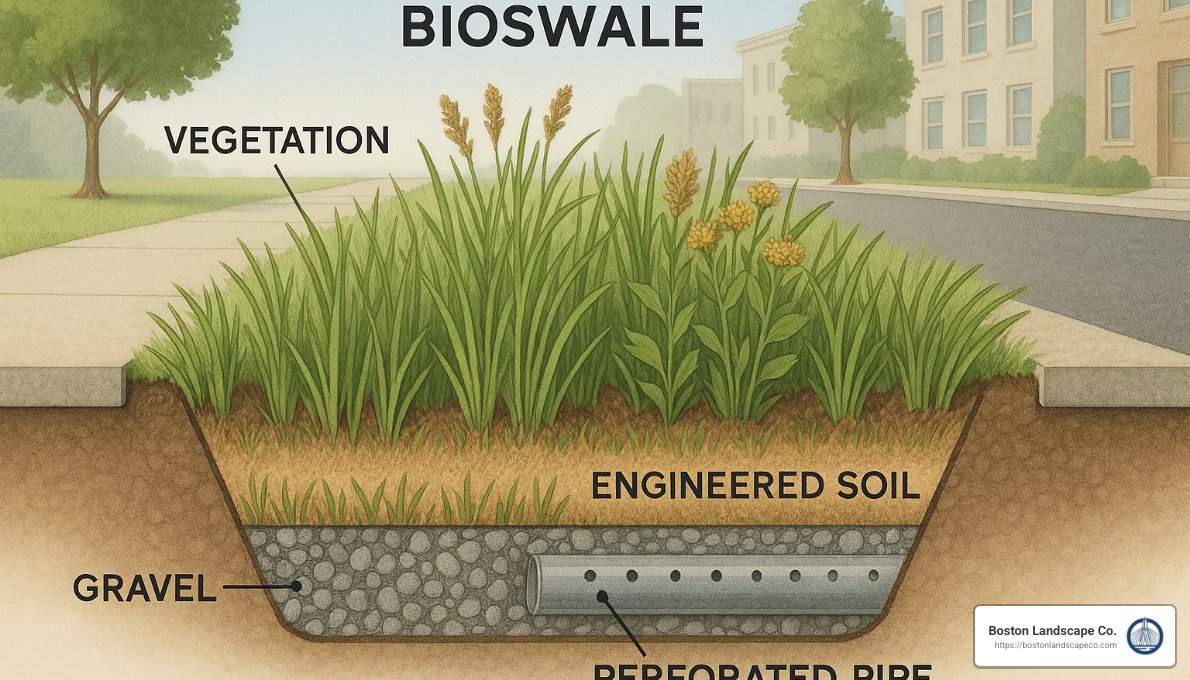
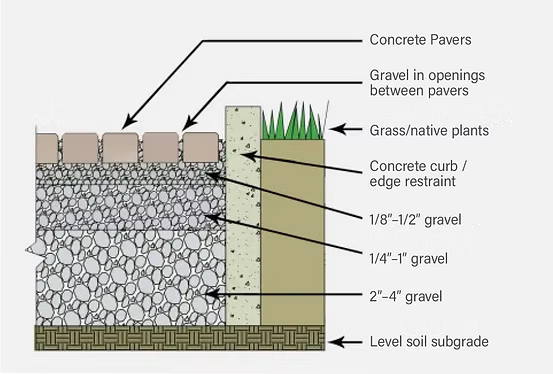
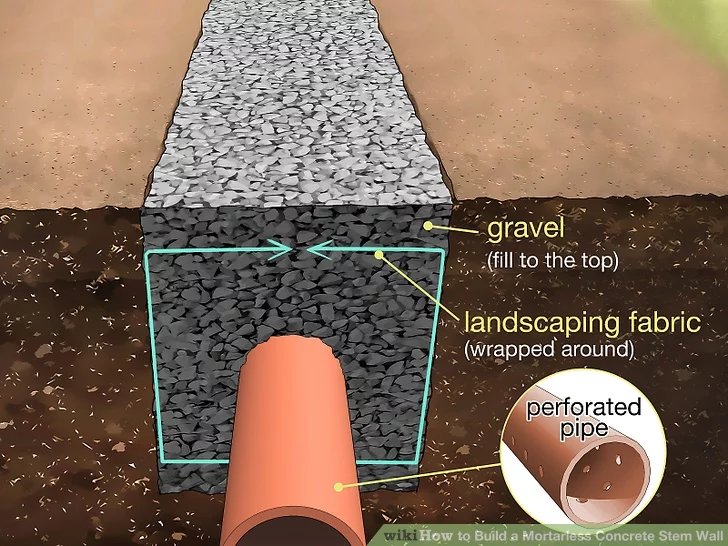
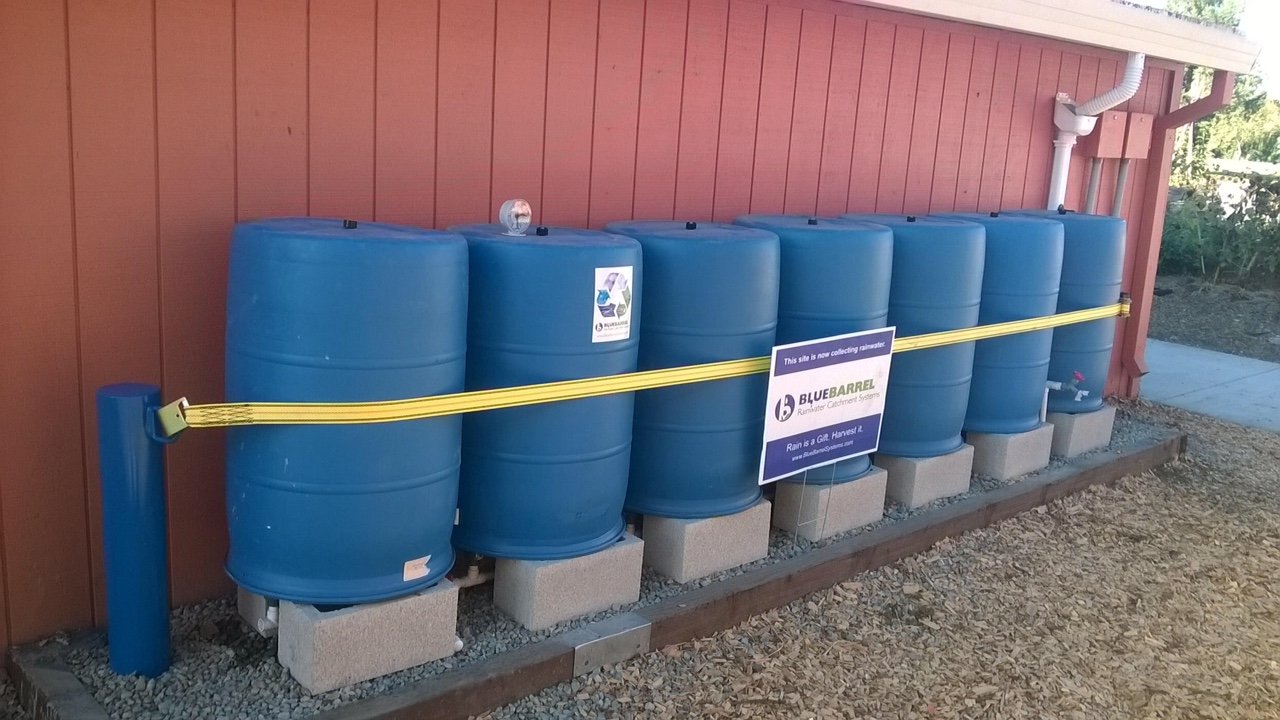
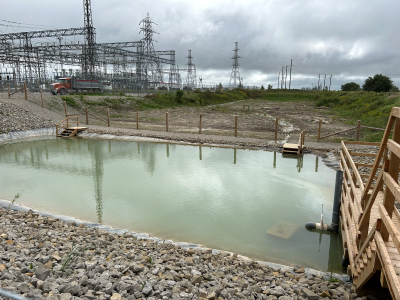
a. Bioretention cells or bioswales are depressions containing vegetation grown in an engineered soil mixture placed above a gravel drainage bed that provide storage, infiltration, and evaporation of both, direct rainfall and runoff captured from surrounding areas. b. Permeable pavement systems allows rainfall to immediately pass through the pavement into the gravel storage layer below where it can infiltrate at natural rates into the site's native soil. In clear stone surface layer, rainfall is captured in the open spaces between the stone particles and conveyed to the storage zone and native soil below. c. Infiltration trenches are narrow ditches filled with gravel that intercept runoff from upslope impervious areas. They provide storage volume and additional time for captured runoff to infiltrate the native soil below. d. Rain barrels and cisterns are containers that collect roof runoff during storm events and can either release or re-use the rainwater during dry periods. Cisterns may be located above or below ground and have a greater storage capacity than a rain barrel. e. Oversized API oil-water separator pond is an impermeable depressed area with or without multiple channels for containing and regulating orifice flow control of stormwater. The pond can also separate oil from water and keep the oil inside the pond, while at the same time, allowing clean water to be discharged to receiving water. |