Oil filled equipment tends to leak, and the leaked oil if not contained, will impair natural ecological cycles and harm wildlife, moreover, it can damage livelihood of humans. That’s why it is essential to prevent it from happening at the source, which is required by regulatory authorities around the globe. Users of equipment if found polluting the environment, will likely face hefty fines in addition to being ordered to clean up the spill, which can be very costly.
To prevent oil spill, a containment pit should be placed around the equipment for capturing leaked oil as well as stormwater which might have mixed with oil. An oil-water separator is needed to release clean water from the pit so that sufficient volume is maintained and readily available for storing major oil spills.
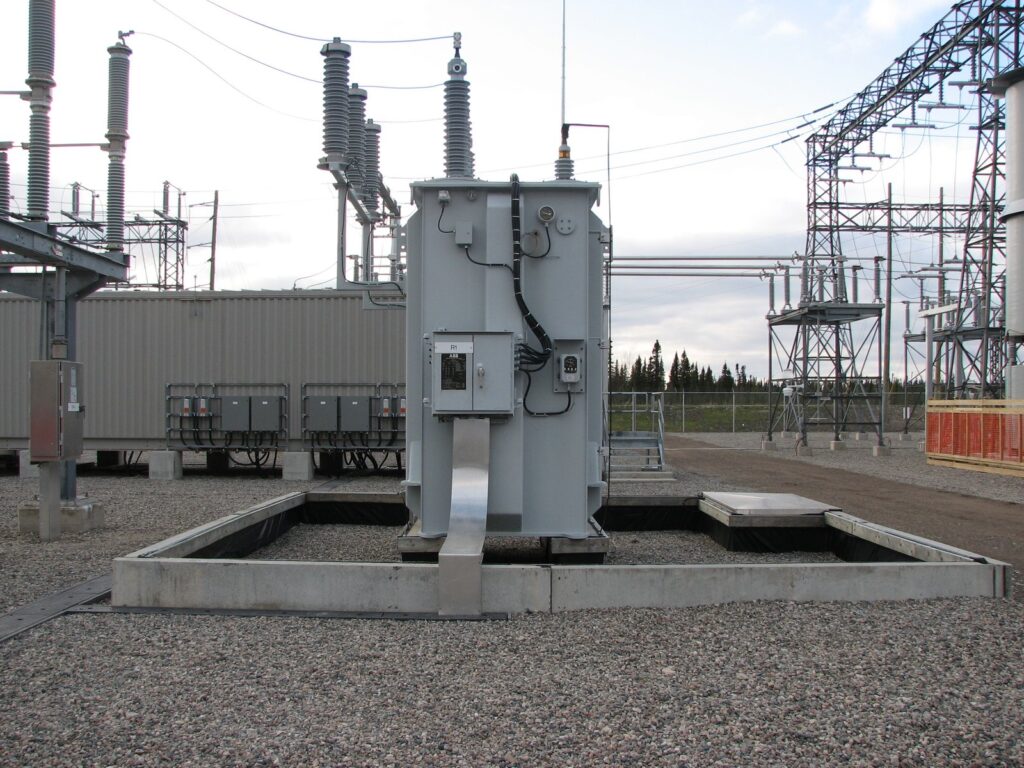


The containment pit is usually made of perimeter curbs and impermeable flooring. The curbs are to prevent oil from escaping the pit, as well as to prevent ingress of stormwater into the containment area. The impermeable flooring is to ensure that fluids won’t leak into the ground. Both curbs and flooring should be made of durable and weather-proof materials, and be fire-proof in case of fire. Fire-quenching stones are usually required to prevent pool fire.

Oil-water separator is a device that separates oil from water, and releases clean water while holding the oil inside the containment pit. Oil-water separator plays crucial role as it helps to free up space for the containment pit.

An oil spill containment system is usually designed to contain the entire oil content of the equipment it serves, plus precipitations of a major storm. In case of fire emergency, the system should also be able to separate oil from fire-fighting deluge and release clean water, so that oil won’t overflow the containment pit.
The history of spill containment system can be dated back to the 1950s. At the time the legislations were not fully developed, and people did it on voluntary basis. As such, the containment pits were made very primitive sometimes.
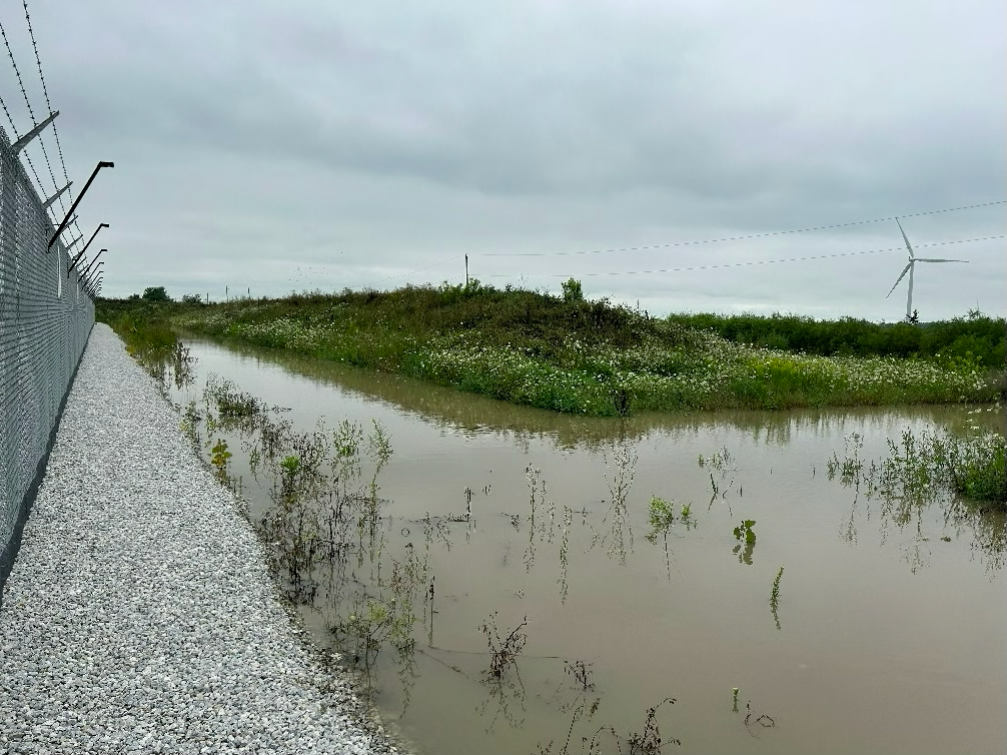
Clay liner was used for spill containment pits due to their low permeability and low cost. In some instances, clay berms as well as sections of concrete curbs may be used to enclose the containment area. Since clay liner is prone to crack when dried, this type of spill pit became less popular.
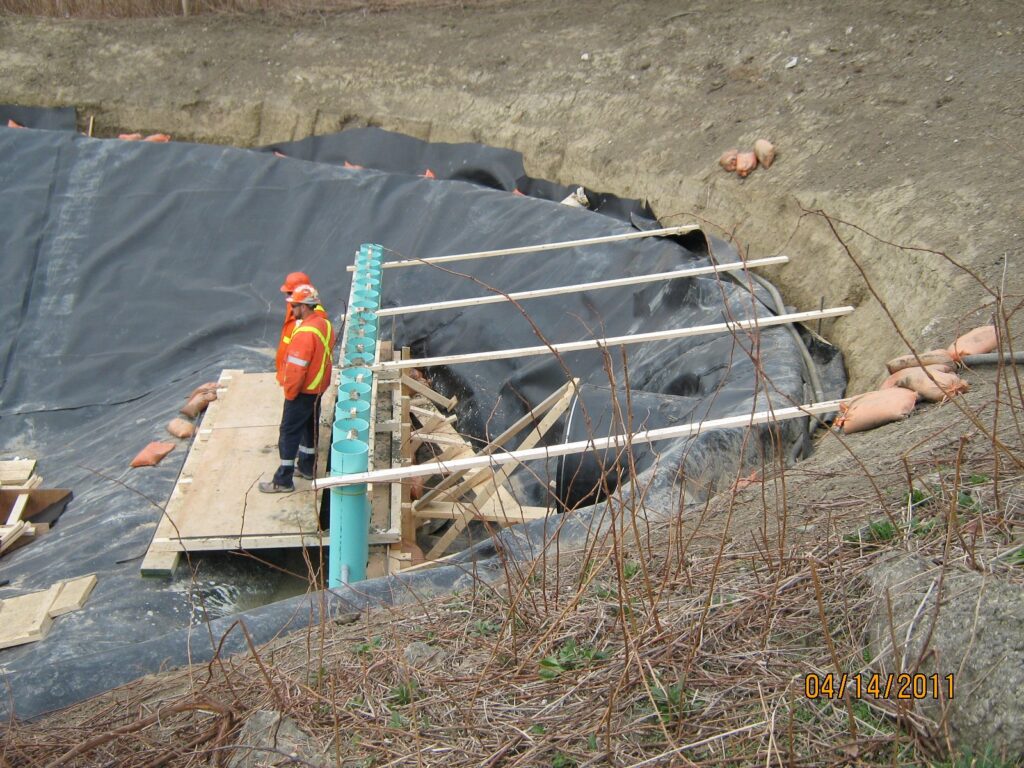
Bentonite was introduced to replace clay liner due to its impermeable nature however, it’s hard to make leak-free joints especially at places where footings are in the way. This was one of the reasons why it did not gain much popularity as it should.

Polyethylene and XR5 liners can solve the joint problem and make leak-free liners however, these materials are vulnerable to heat/fire, puncture or UV degradation, and therefore they are being phased out from major utilities.

Concrete is the best material for making spill containment pit, due to its fire and UV resistance as well as long term durability. However, because of the time consuming rebar-tying and formwork erections, it is expensive to build a cast-in-place concrete pit in the field.
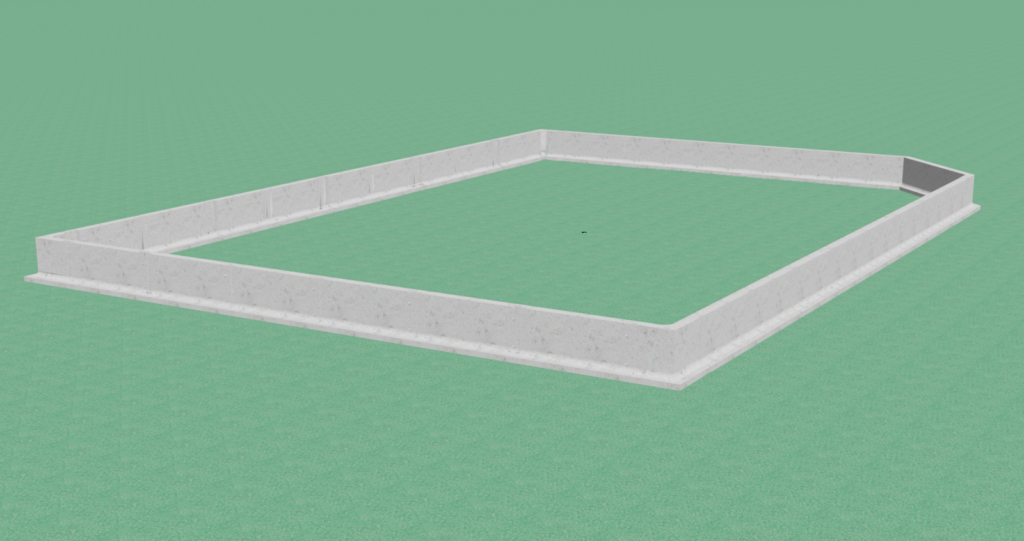
LW Pit is a modular containment pit made of precast concrete. It is shipped to site and assembled to form a water-tight enclosure. Complement with LW PitFlooring, it will become a robust spill containment pit that is remarkably cost effective.
Oil-water separators play a key role in maintaining the functionality of a spill containment system. Over the years, there have been a number of oil-water separators installed for transformer spill containment systems.
Strictly speaking, a blind sump is not an oil water separator. However, a blind sump can help retaining oil in the containment pit and providing a pumping point in case the content of the containment pit needs to be removed. A blind sump is cheap to install however, lack of oil water separation function is a major shortcoming.
Oil sensor/probe has been used for quite a while in some utilities. It’s cheap to install however, due to its ultra sensitive electronic sensoring mechanism, it is hard to maintain reliable operation in outdoor weather conditions. In addition, it needs periodical calibrations before it can be operational, even in indoor conditions.
Vortex OWS has not been widely used for processing effluent from spill containment pit, due partly to its requirement of high flow velocity. Since the discharge rate from a containment pit is usually small and unpredictable, it is hard for a Vortex OWS to fit in this application.
Parallel plates with narrow gaps in between the plates can shorten the travel distance of oil globules and therefore, increase oil separation efficiency of an OWS. However, to maintain a laminar flow which is the basis for this scenario, the flow rate must be kept low, so low that it defeats the benefit for using the parallel plates in the first place. Besides, it requires more frequent maintenance than an API OWS.
In-ground API style OWS can process higher flow, contain more oil, and require minimal maintenance. However, it requires larger blueprint to build and needs extensive excavation, which is a major shortcoming and it prevents some utilities from deploying it.
Tank style API OWS is a modified version of the API Inground OWS. It is specifically developed for scenarios where equipment has known oil volumes. In this case, a tank with a longer horizontal dimension is needed for containing that volume of oil and for providing required flow capacity. The flow capacity of the tank can be calculated according to the API equations. In case a single tank can not provide required volume, multiple tanks can be interconnected in series to provide the required capacity. The drawback is its installation cost due to large and deep excavations.
LW OWS is a small device that can separate oil from water and retain the oil inside a containment pit, while at the same time releasing clean water from the containment system. The device has an automatic shutoff mechanism which can prevent oil from escaping to the system. LW OWS can also separate oil from fire-fighting deluge, all while keeping the oil inside the containment pit. LW OWS has small blueprint, requires minimal excavation and therefore, is cost effective.
To design a spill containment system, you will need to have the following information:
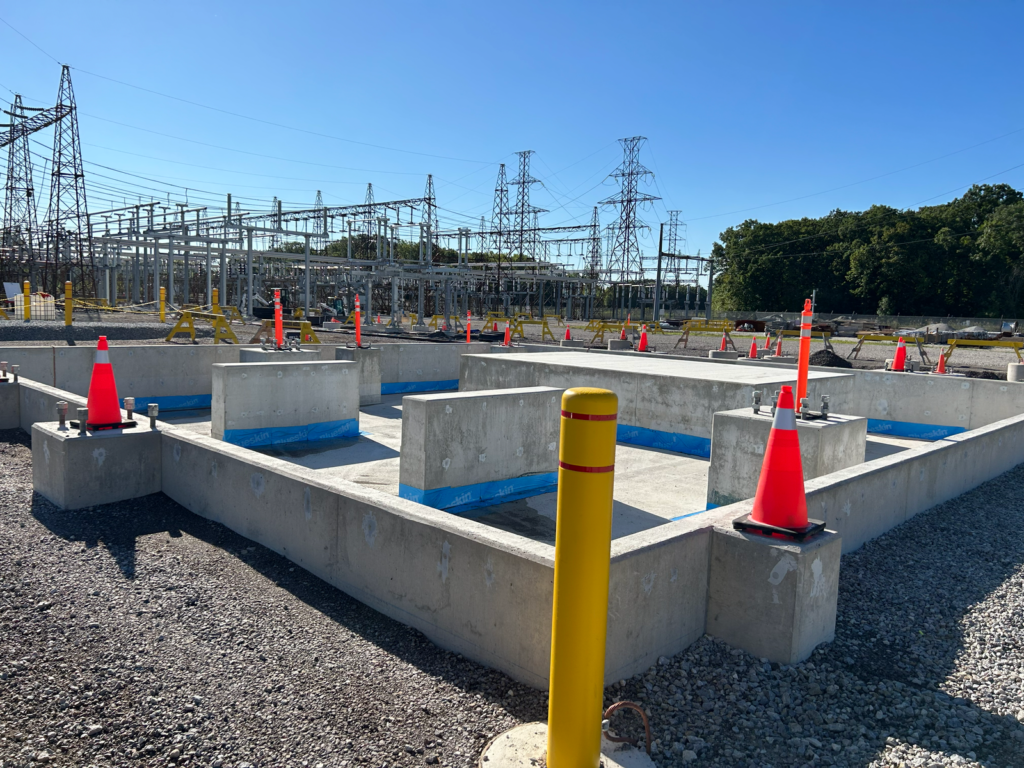
The design intent is to capture spilled oil as much as possible, therefore the horizontal dimensions of the pit should be made as large as possible. In addition, IEEE requires containment curbs be positioned at least 1.5 meters away from the outline of the equipment in order to capture the possible dripping of oil from height. After deducting the corner cut required by traffic arrangement, and minus the cross sectional areas of footing, the net area of containment pit can be calculated.
To facilitate easy access for servicing the equipment and minimizing the risk of slip and falls, the containment pit should be filled with fire-quenching stone to an elevation that’s equal to the ground elevation outside the pit. The curb should be 300 mm higher than ground elevation so that stormwater from external sources won’t be able to flow in. In addition, the containment pit should have a freeboard which can accommodate a major storm amount as well as fire-fighting deluge. The bottom elevations of the pit should be determined through calculation to ensure the pit has enough volume for the oil content of the equipment plus a major storm amount.
An Excel or similar tool is recommended for calculating the storage volume and making adjustments to make sure the space provided exceeds the required volume.
Land & Water Group presents its proprietary modular spill containment system:
We provide prefabricated containment enclosure LW Pit, which is easy to install. The prefabricated modular LW Pit parts are made in our factory and to be assembled in the field. It is self-locking to form a leak-free enclosure, allowing for fast deployment with guaranteed quality. LW Pit does not need formwork, neither rebar-tying, nor field curing.
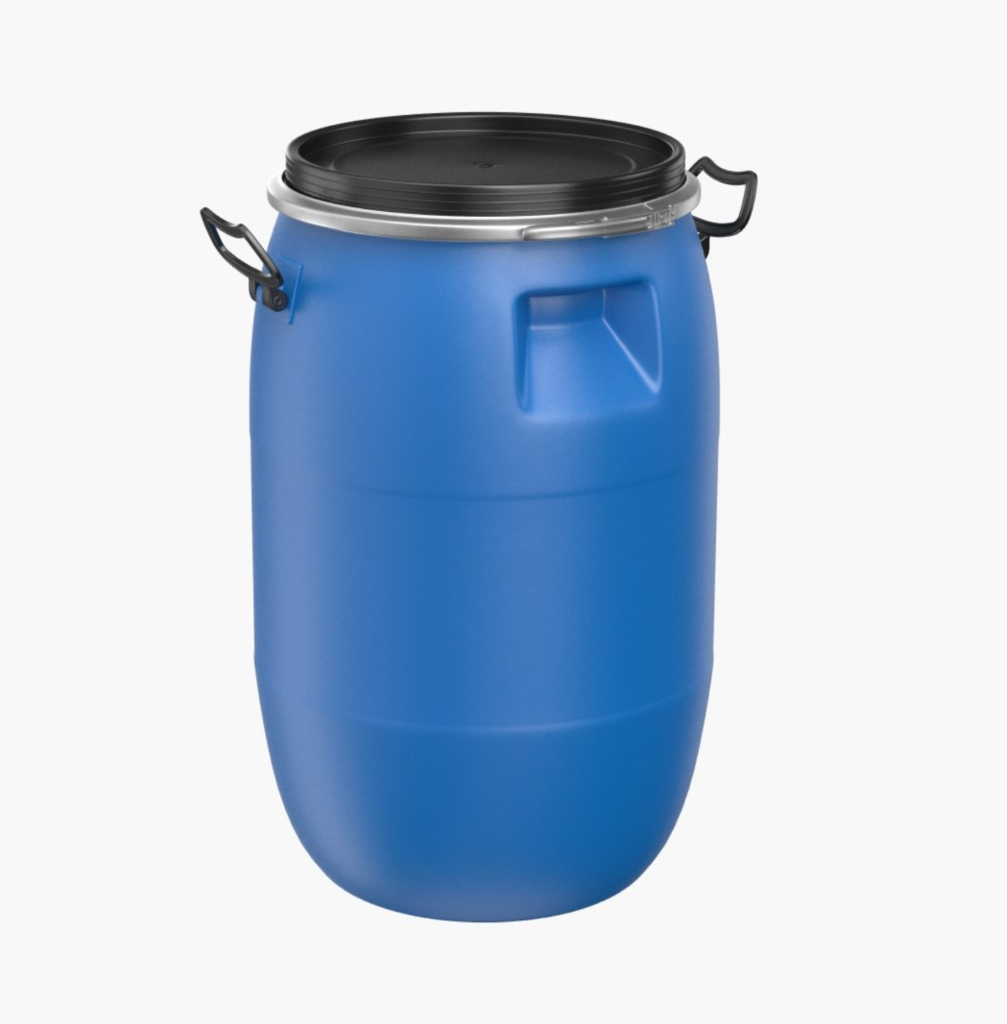
Our self-levelling flooring LW PitFlooring will complement the spill containment enclosure to a leak-free spill containment pit. LW PitFlooring is a self-levelling layer of fiber reinforced polymer concrete. This layer is an expansion/contraction compensated and permanently bonded onto concrete footings to make the system watertight. LW PitFlooring is resistant to puncture, fire or UV, and will not crack. The layer does not need rebars and can be made very cost-effective.
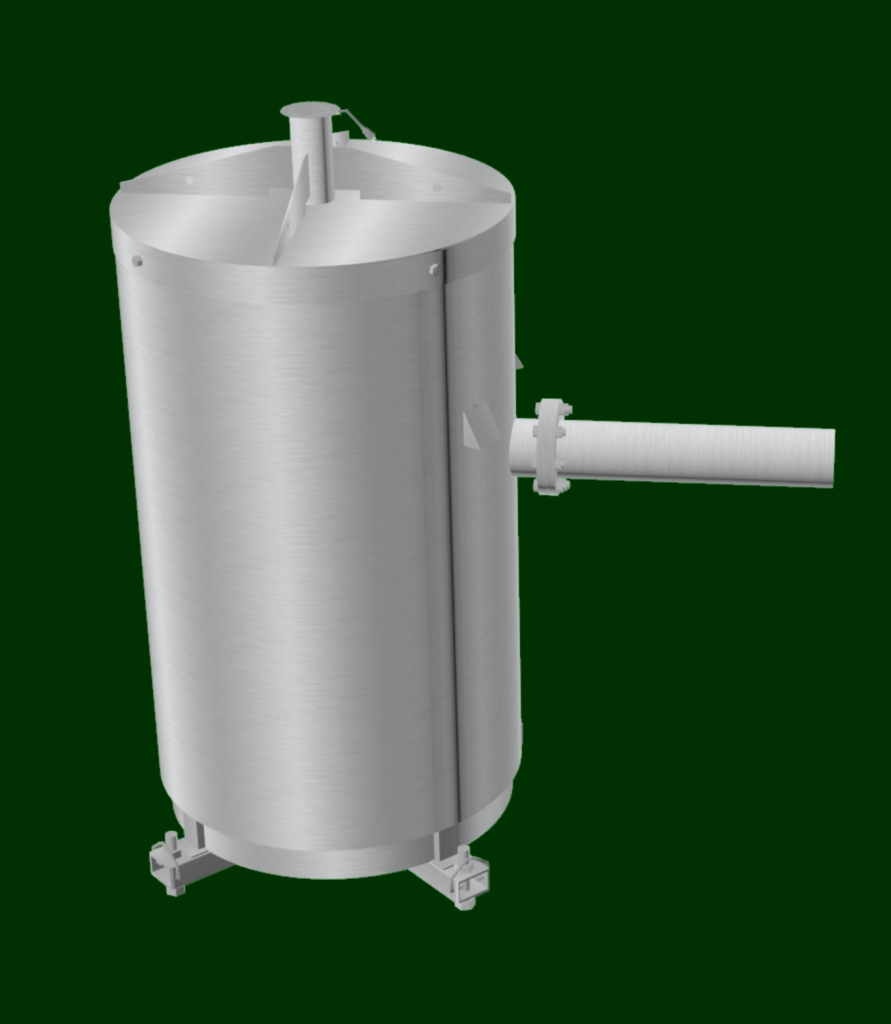
Our plug & flow oil-water separator LW OWS can provide worry-free stormwater treatment solutions. LW OWS can process oily water, and automatically shut off the flow at emergency. It can also process fire-fighting deluge. The LW OWS is a small device, and is cost-effective to install.
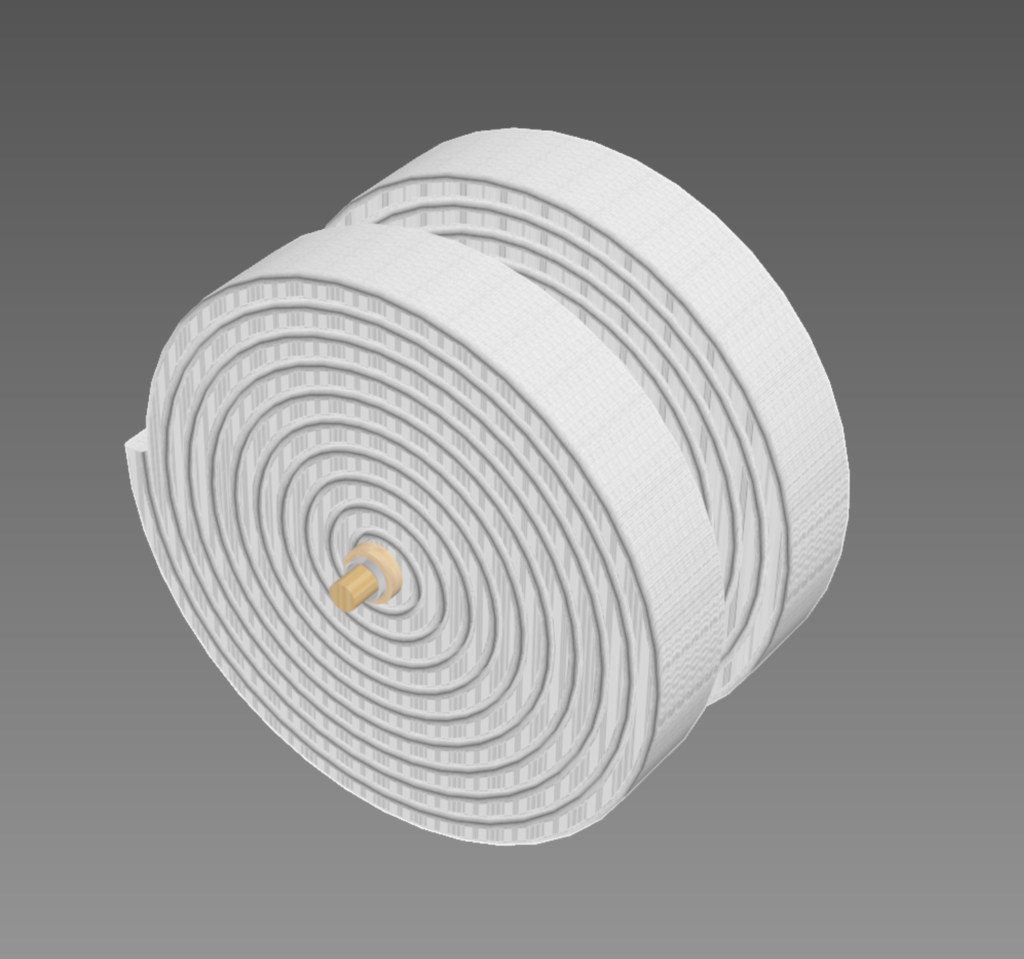
For oil removal we present our all-natural oil absorbing LW SoakMat which is fast-action and easy to use. LW SoakMat is non-toxic and biodegradable, and can be dumped as regular trash or used as fuel.